
Knowledge that Empowers
Obesity is a complex, chronic disease—understanding it is the first step to lasting change.
All topics
Evidence-Based Medicine for You
Learn how obesity works and discover practical, proven strategies to manage it and improve your health.
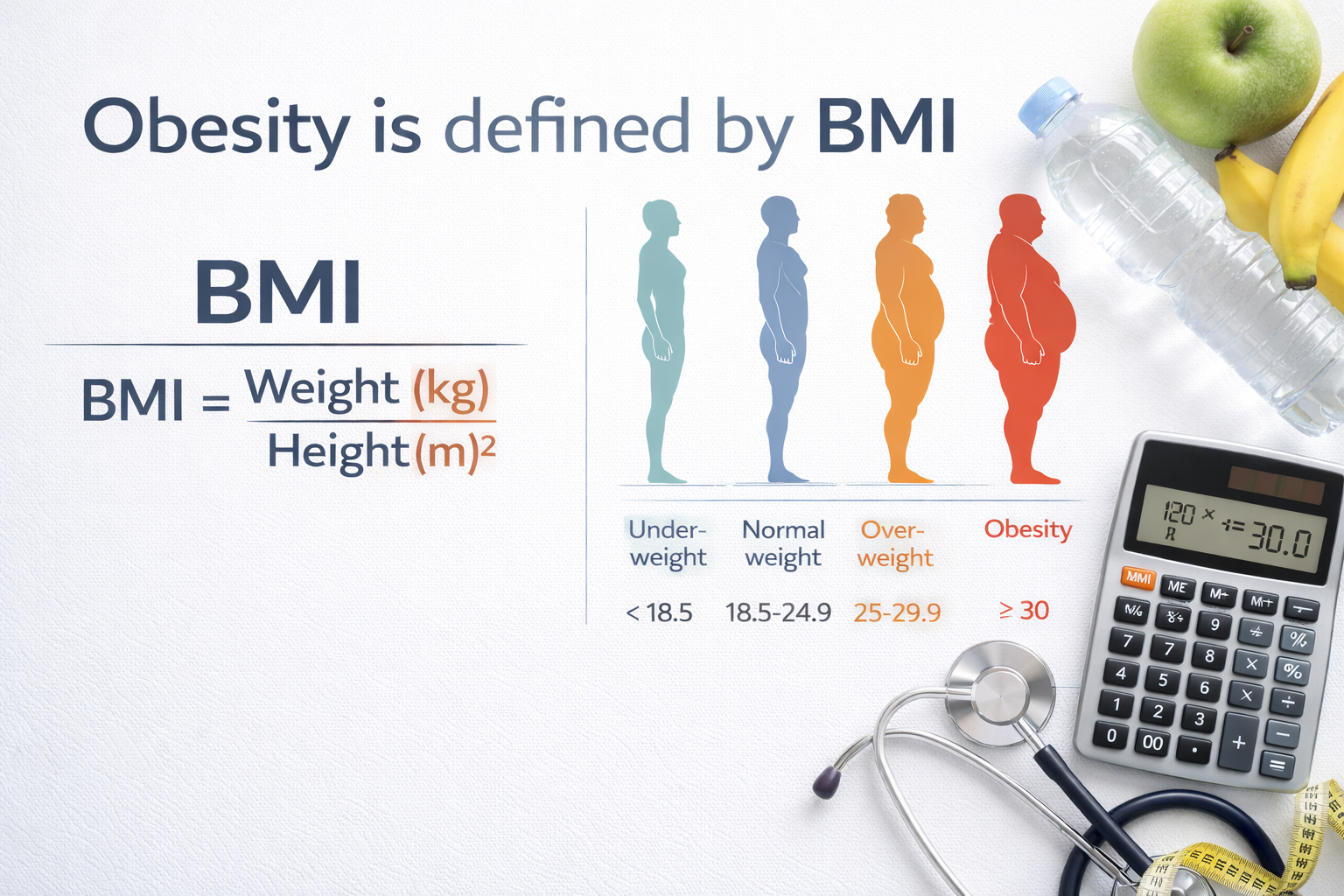
Defining Obesity
Obesity is commonly defined using Body Mass Index (BMI), a number that estimates body size based on your weight and height. BMI is calculated by dividing your weight by your height squared (in metric: BMI = weight (kg) ÷ height (m)²), and it is grouped into categories: Underweight is a BMI below 18.5, Normal weight is 18.5–24.9, Overweight is 25.0–29.9, and Obesity is 30.0 or higher. Obesity is further classified as Class I (30.0–34.9), Class II (35.0–39.9), and Class III (40.0 or higher). While BMI is a helpful screening tool, it doesn’t tell the whole story because it can’t show where fat is stored or how much muscle you have. That’s why experts are increasingly using additional measures like waist circumference, waist-to-height ratio, and body composition testing (such as DEXA scans or air displacement measurements) to better understand health risk and guide treatment. Click title to learn more.
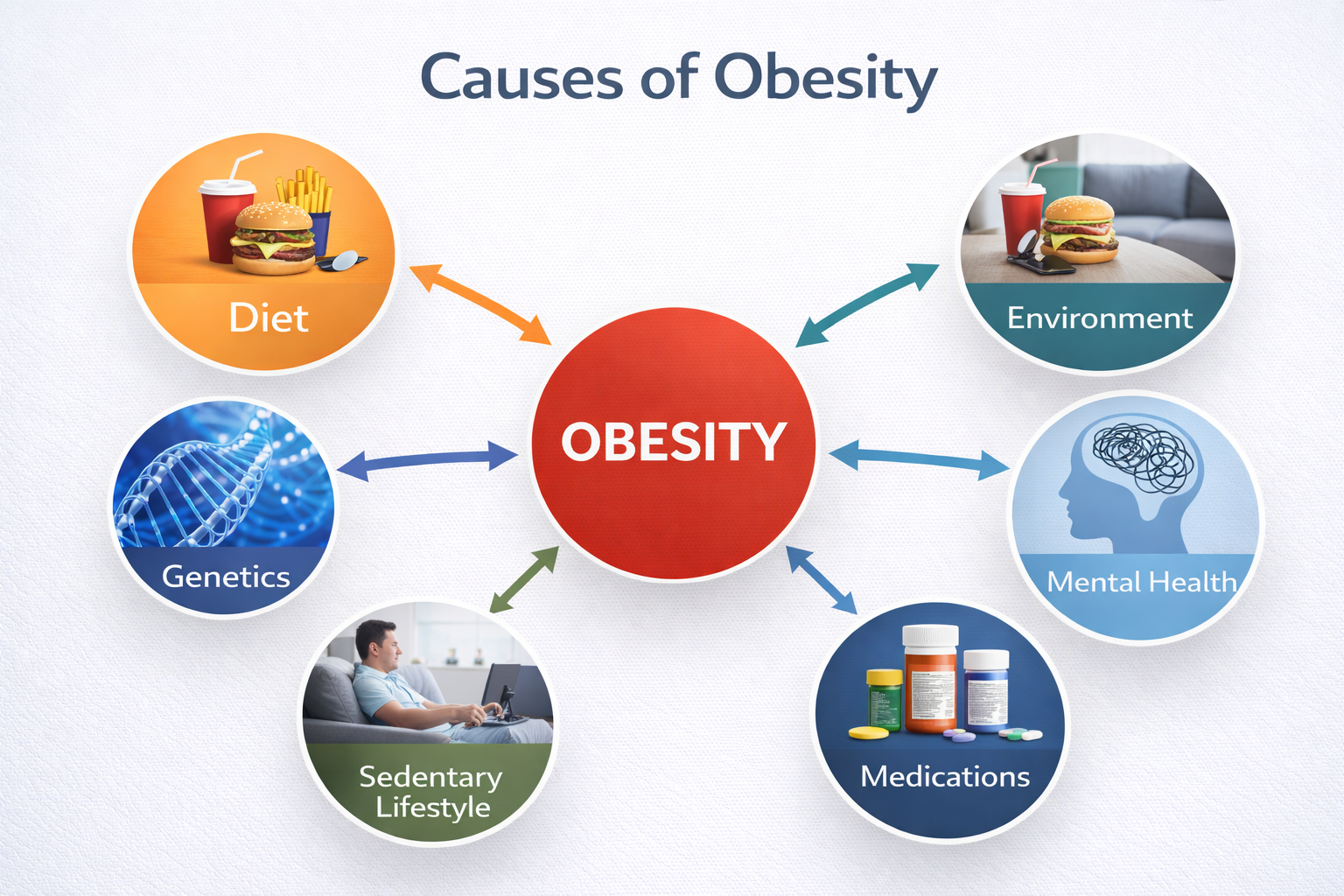
Factors Contributing to Obesity
Obesity is a chronic medical condition influenced by many factors—not just “eating too much” or “not exercising enough.” The body’s biology, hormones, metabolism, genetics, environment, and daily habits can work together to make weight gain easier and weight loss harder over time. While healthy eating and physical activity are important, many people need additional medical support (like structured behavioral tools and/or medications) to achieve meaningful, lasting results. Obesity is largely driven by biology and brain–body signaling systems that regulate hunger, fullness, and energy use. This explains why the body often “defends” a higher weight through strong appetite signals and a slower metabolism, which is why weight regain is so common after dieting alone. Click title to learn more.
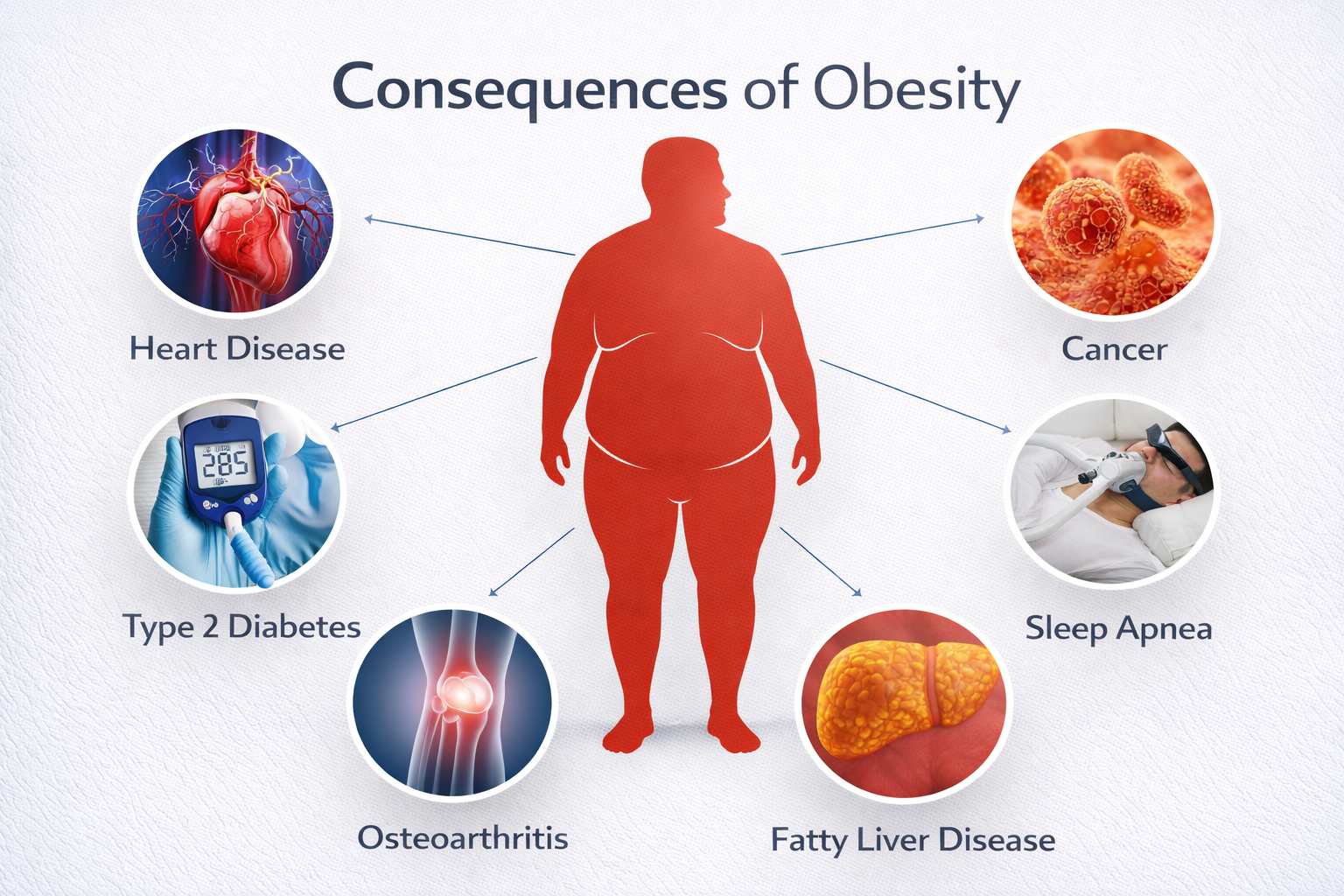
Health Impact of Obesity
Obesity can affect nearly every part of the body and raises the risk of serious health problems like type 2 diabetes, high blood pressure, high cholesterol, and heart disease (including heart attacks and strokes). It can also contribute to sleep apnea, fatty liver disease, and acid reflux (GERD), and is linked to higher risk of cancers such as breast, colon, uterine, kidney, and pancreatic. It can also make daily life harder. Many people experience joint and back pain and may develop osteoarthritis sooner, while activities like stairs or exercise can feel tougher due to shortness of breath and lower stamina. Obesity can affect hormones and reproductive health, contributing to irregular periods, PCOS, fertility challenges, and pregnancy complications like gestational diabetes and preeclampsia. Emotional effects like stress, low mood, and decreased confidence are also common. The good news is that even modest, sustained weight loss can improve many health risks and help you feel better. Click the title to learn more.
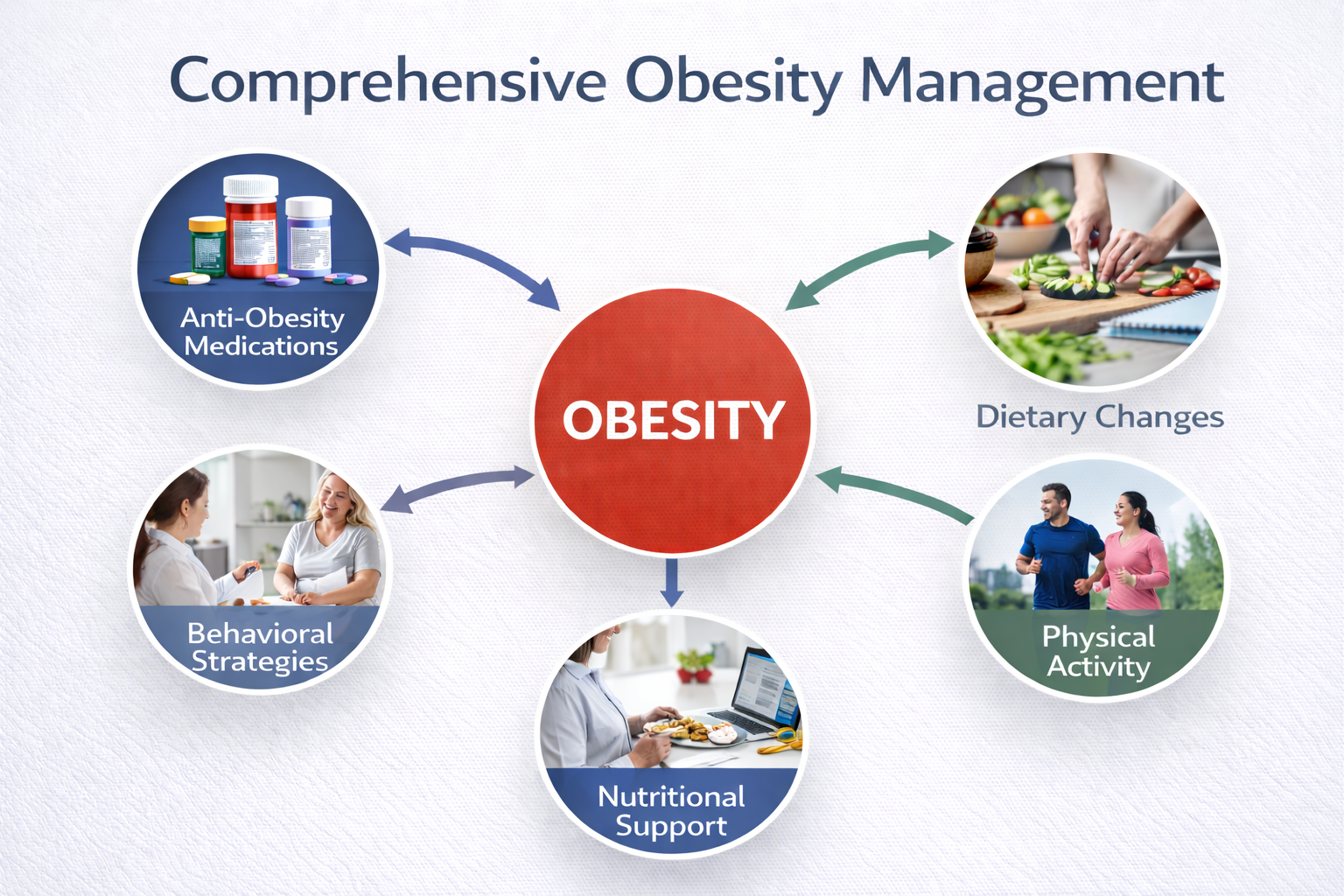
Comprehensive Management
Managing obesity works best with a comprehensive plan that supports your body, daily habits, and long-term health. Dietary changes focus on meals that keep you full and energized—often by increasing protein and fiber, reducing highly processed foods, and creating a realistic calorie deficit. Nutritional support (like working with your physician or using structured meal plans) helps turn goals into repeatable routines such as meal planning, portion guidance, and strategies for eating out. Behavioral strategies address the “why” behind eating patterns by improving sleep, managing stress, handling cravings, and building habits that fit your lifestyle. Physical activity improves health by boosting energy, protecting muscle, and supporting mood—starting with simple steps like walking or strength training. For many people, anti-obesity medications can help regulate hunger and cravings, making lifestyle changes easier to sustain. When these pieces work together with medical guidance, patients are more likely to see meaningful, lasting results. Click the title to learn more.
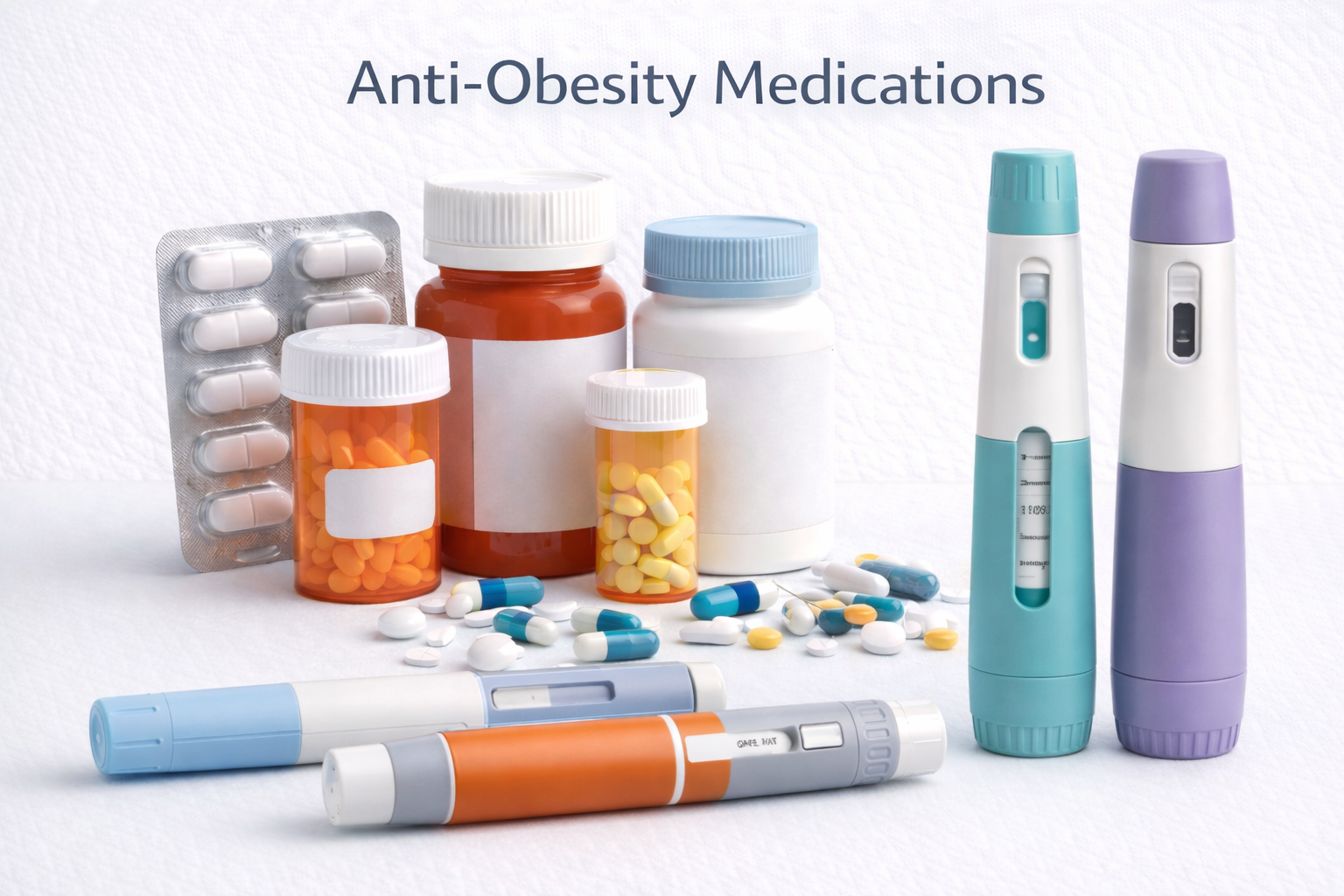
Anti-Obesity Medications (AOMs)
Anti-obesity medications can be helpful tools when lifestyle changes alone aren’t enough, and they work in different ways depending on the “class” of medication. GLP-1–based medications (including liraglutide and semaglutide) and dual incretin medicines (like tirzepatide) help you feel full sooner, reduce hunger and cravings, and make it easier to eat less. Appetite-suppressing medications, such as phentermine/topiramate, can lower appetite and support portion control, and may reduce cravings for some people. Craving and reward-targeting medications, like naltrexone/bupropion, may help with emotional eating or frequent snacking by improving control around trigger foods. Medications used for binge-eating impulses, such as lisdexamfetamine, can help reduce the urge to binge when that’s a major barrier. Your clinician can help choose the safest option based on your history, goals, side effects, and what you can realistically continue long term. Click the title to learn more.
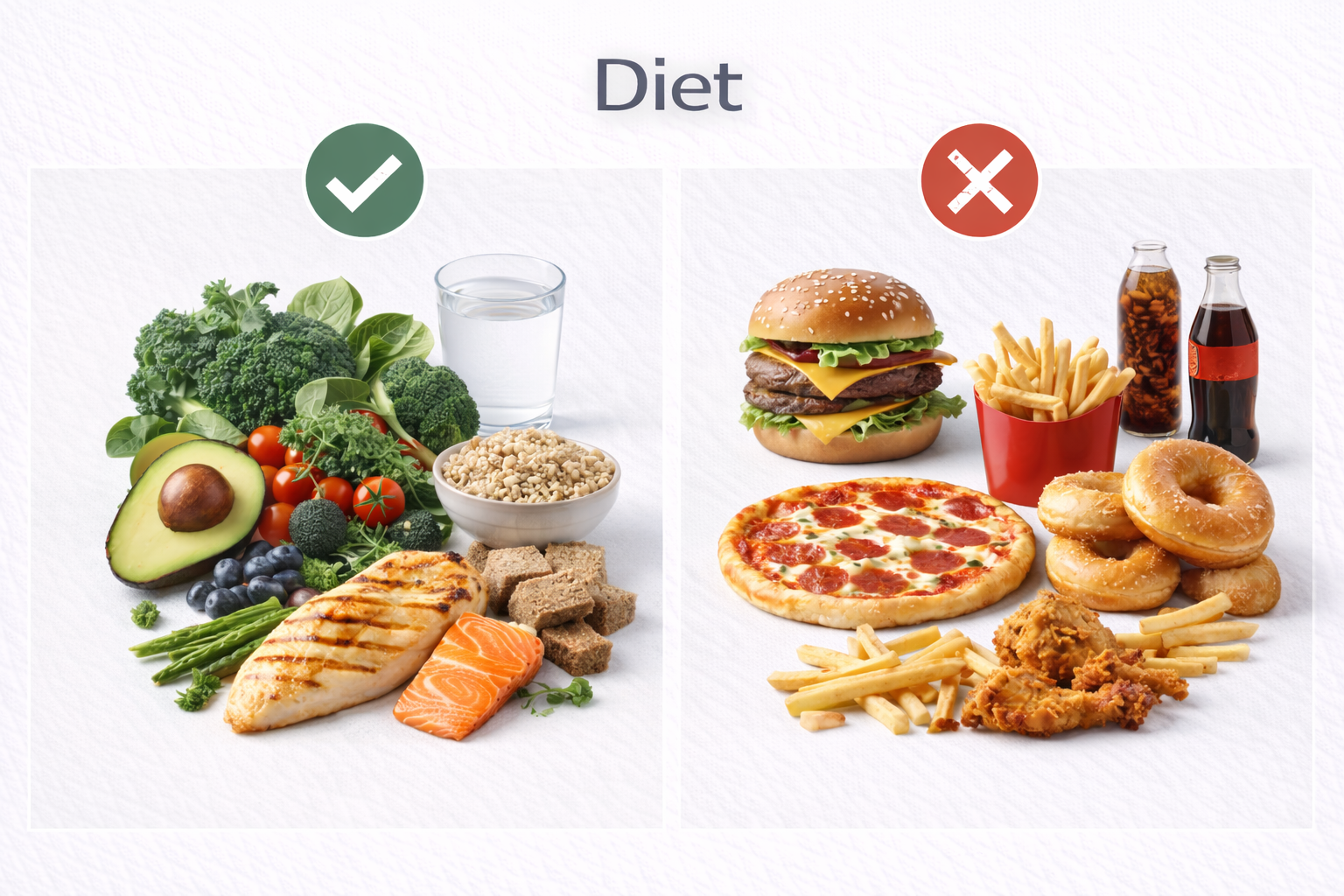
Weight Loss Diet
Foods that support weight loss are usually the ones that help you feel full longer with fewer calories and steady energy. Start with lean proteins like chicken, turkey, fish (salmon, tuna), eggs, Greek yogurt, tofu, and beans, because protein helps control hunger and supports muscle. Add high-fiber foods such as vegetables (broccoli, spinach, peppers, cauliflower), fruits (berries, apples, oranges), and whole grains (oatmeal, quinoa, brown rice), which slow digestion and reduce cravings. Include healthy fats in smaller portions—like avocado, olive oil, nuts, and seeds—because they improve satisfaction and make meals feel more complete. Many people also do well with smart snacks like cottage cheese, carrots with hummus, an apple with peanut butter, or a handful of almonds. Building meals around protein + fiber + a small amount of healthy fat is a simple way to stay satisfied while creating sustainable weight loss. Click the title to learn more.
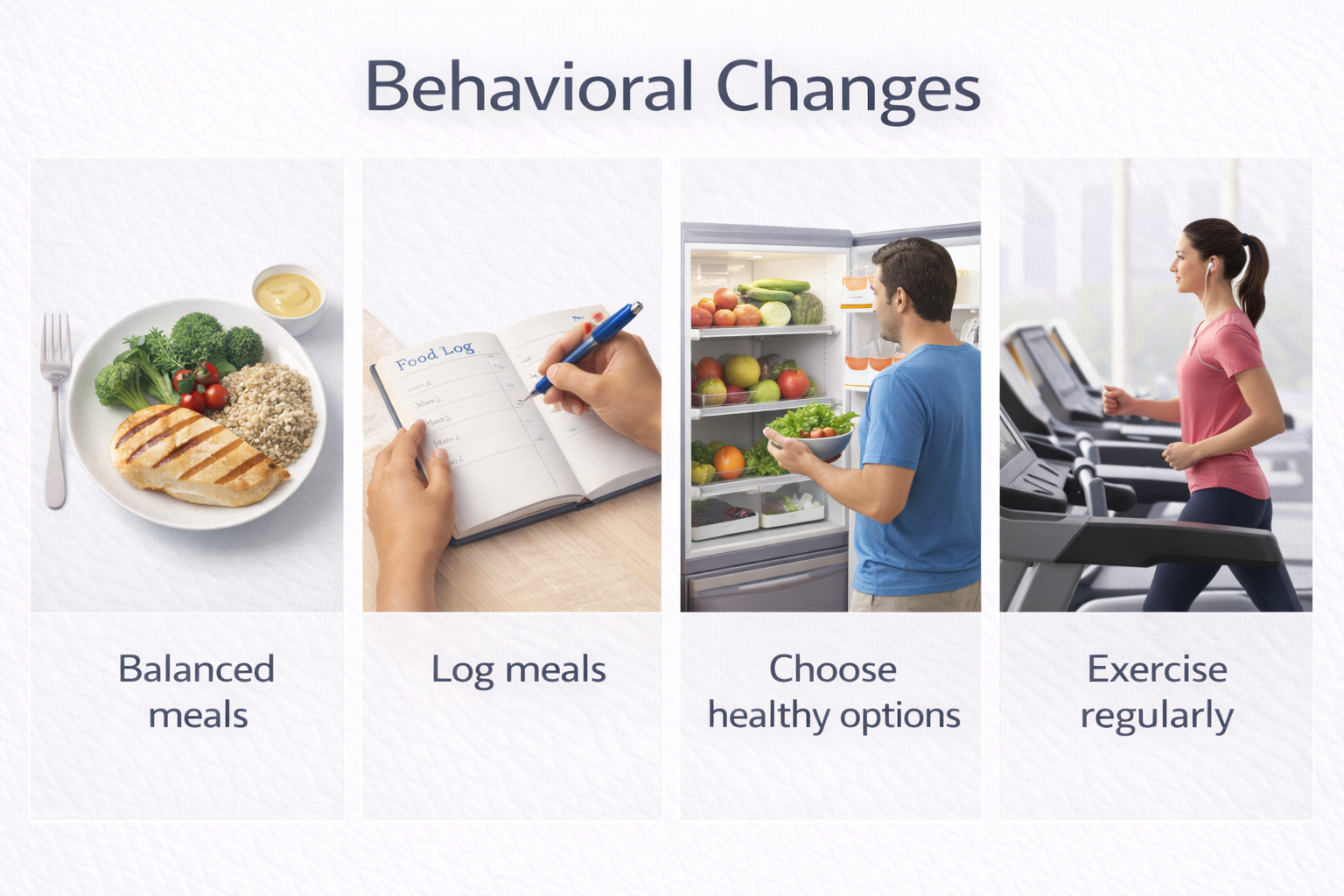
Behavioral Adaptations
Behavioral strategies can make weight loss more achievable by helping you stay consistent with healthy eating and physical activity, even on busy days. For diet, try planning ahead by choosing meals and snacks, grocery shopping with a list, and keeping easy options at home like Greek yogurt, veggies, fruit, and lean proteins. Portion tools help too, such as using a smaller plate, plating food instead of eating from the bag, and building a balanced plate (half vegetables, a quarter protein, a quarter healthy carbs). Many people benefit from mindful eating, like eating without screens, slowing down, and stopping when satisfied. To manage cravings, use environment strategies like keeping trigger foods out of sight and having a backup plan (tea, a walk, or a protein snack). For activity, aim for small, repeatable goals, such as 10–15 minute walks, taking stairs, or gradually increasing step goals. Adding strength training 2–3 times per week (squats, wall push-ups, bands) can protect muscle and improve results. Simple tracking—like logging meals occasionally or using a fitness tracker—can build awareness and momentum. Click title to learn more.
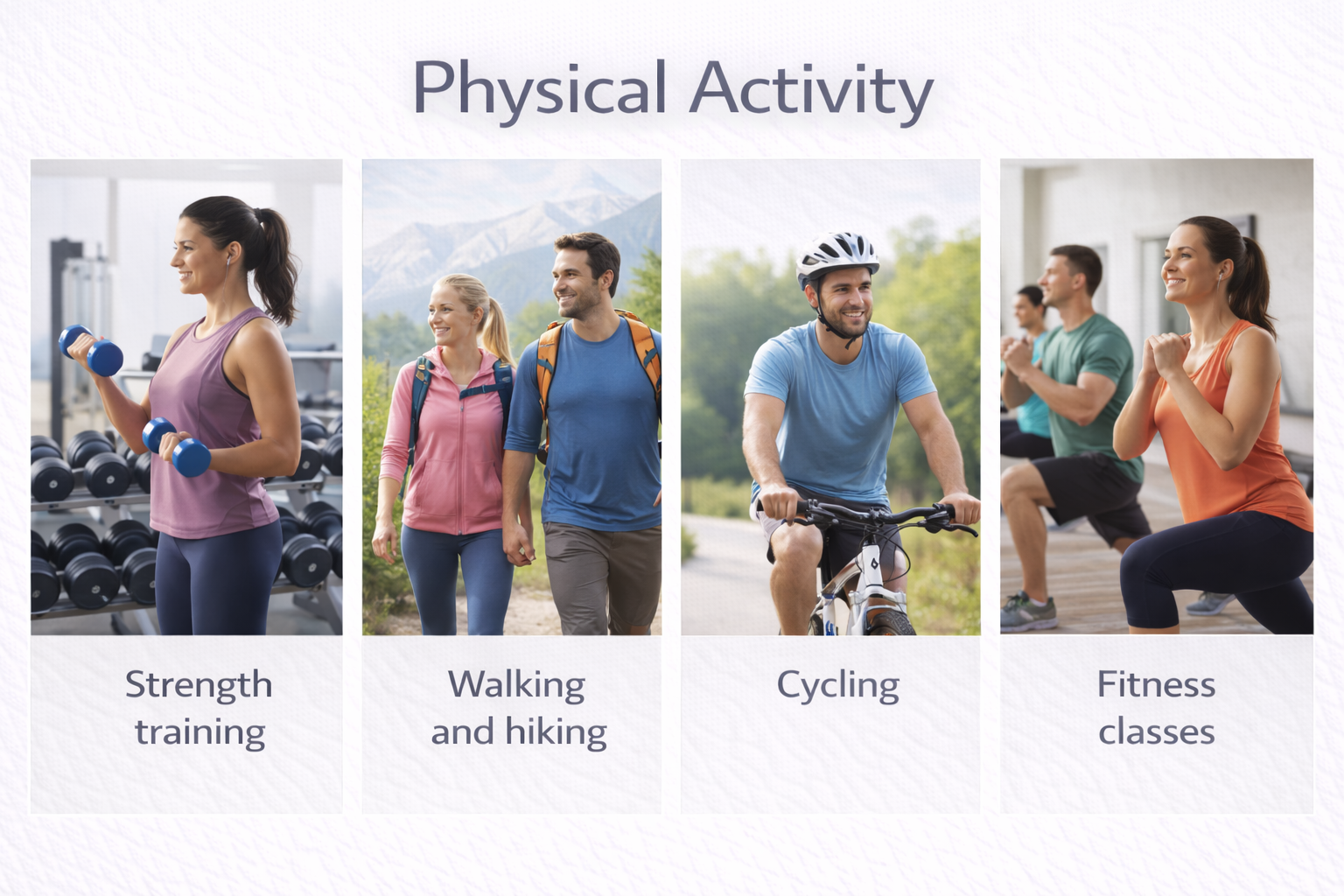
Staying Active
Physical activity supports weight loss while helping you preserve muscle, boost energy, and improve overall health. A great starting point is regular walking, such as a 10–20 minute walk after meals or building up to a daily step goal, because it burns calories without feeling overwhelming. To protect muscle (and help your metabolism), add strength training 2–3 times per week, using bodyweight moves like squats, lunges, glute bridges, and wall push-ups, or simple tools like resistance bands and light dumbbells. Many people do best with a mix of moderate cardio (brisk walking, cycling, swimming, or the elliptical) and strength work, aiming for consistency over perfection. If time is tight, short “movement snacks” count—like 5–10 minutes of stairs, a quick home workout, or stretching breaks during the day. The key is to start at your level, increase gradually, and choose activities you actually enjoy so you can stick with them long term. Click title to learn more.
Our commitment
Personalized Weight Loss Tools Empowering Your Health Goals
With expert, comprehensive weight loss care and years of experience, we partner with you to create a plan that fits your life—not just your scale. Through a truly patient-centered approach, we’ll help you build confidence, consistency, and momentum so you can reach your goals and protect your health for the long run.
- Patient-Centered Care
- Expertise in Obesity Management
- Convenient Healthcare Access
- Affordable Healthcare
Ready to Start Your Weight Loss Journey?
Complete the Contact Form below or call us today to schedule a consultation.