
The Weight Loss Read
Evidence-based weight loss insights, simplified for confident action.
The Weight Loss Read
Evidence-Based Medicine for You
Discover practical and proven weight loss strategies and improve your health.
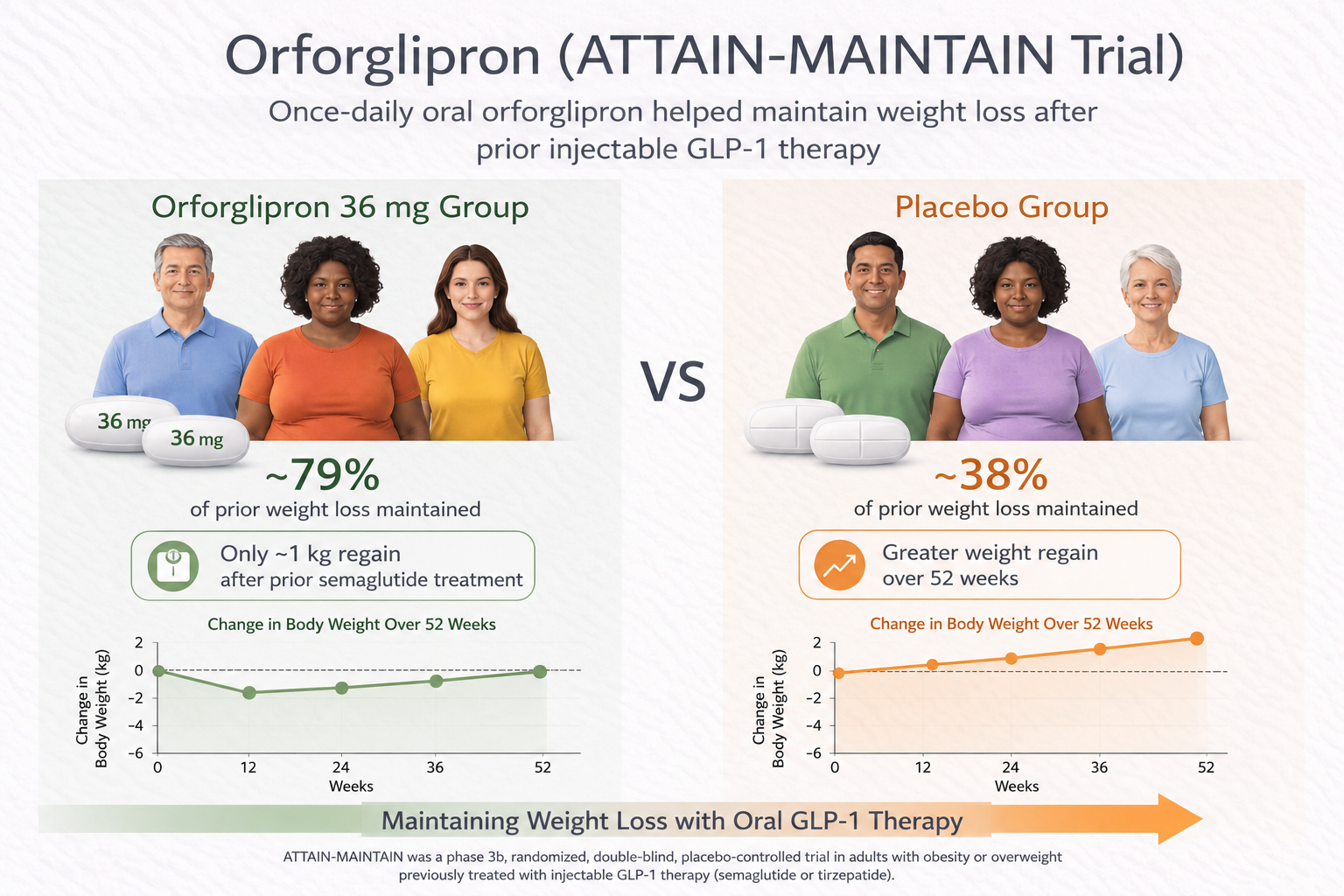
Orforglipron After Injectable GLP-1
The ATTAIN-MAINTAIN trial evaluated whether patients who had already achieved significant weight loss with injectable incretin medications could maintain that weight loss after switching to once-daily oral orforglipron. Participants had previously completed the SURMOUNT-5 trial using injectable tirzepatide or semaglutide before being randomized to oral orforglipron or placebo for an additional 52 weeks. Patients taking orforglipron maintained substantially more of their prior weight loss compared with placebo, while also preserving improvements in waist circumference, blood pressure, cholesterol, and blood sugar markers. The study highlights the potential role of oral orforglipron as a convenient maintenance option for patients transitioning off injectable therapy while helping minimize weight regain. As with other GLP-1–based therapies, the most common side effects were gastrointestinal—such as nausea, diarrhea, vomiting, and constipation—and were generally mild to moderate.
Key Takeaways
- Patients switching from injectable therapy to oral orforglipron maintained about 75–80% of their prior weight loss over 52 weeks.
- Prior semaglutide users maintained ~79% of earlier weight loss with orforglipron vs ~38% with placebo.
- Prior tirzepatide users maintained ~75% of earlier weight loss with orforglipron vs ~49% with placebo.
- Among prior semaglutide users, ~55% maintained ≥80% of earlier weight loss vs ~7% with placebo.
- Gastrointestinal side effects were the most common and were generally mild to moderate.
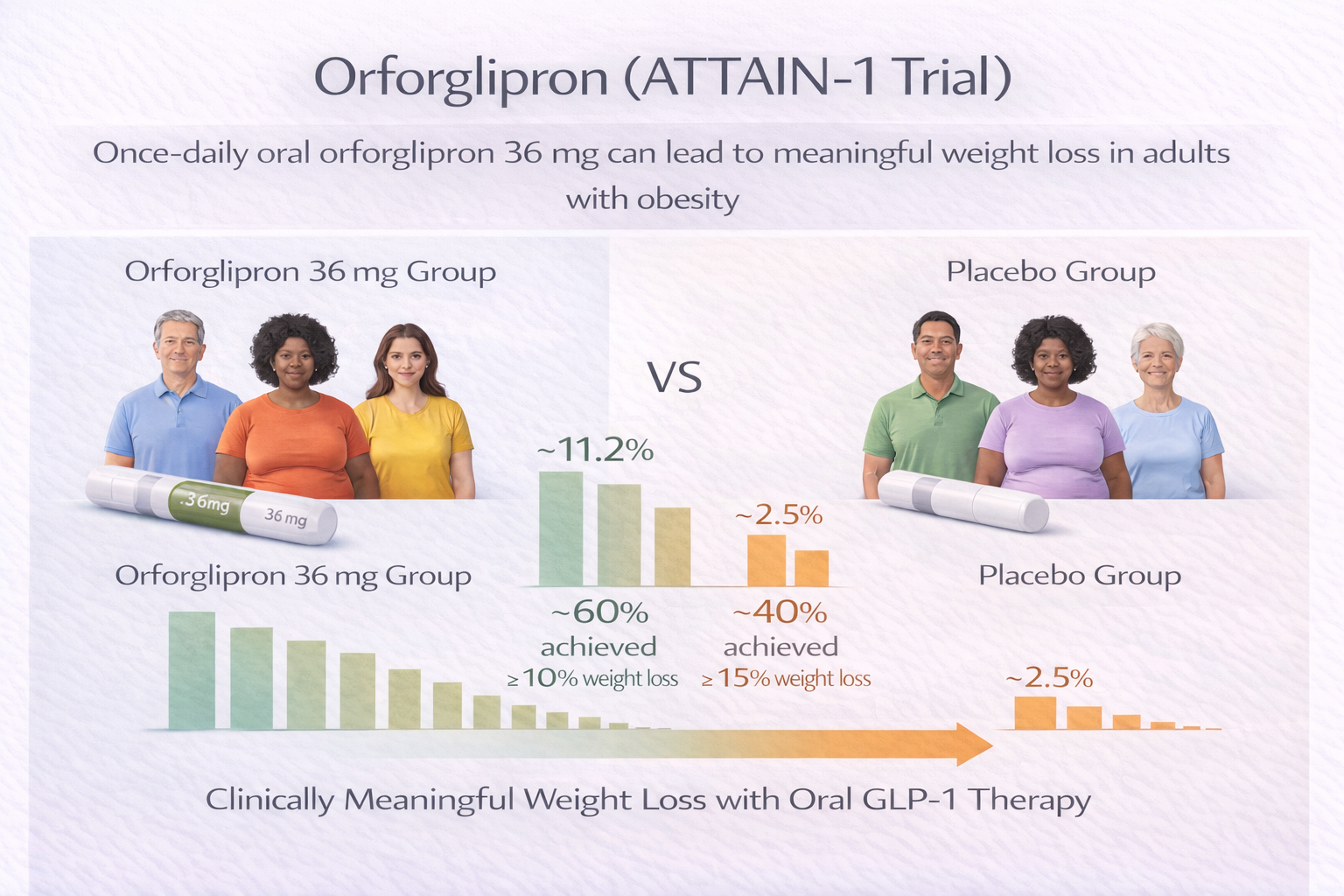
Oral Orforglipron
The ATTAIN-1 trial evaluated orforglipron (brand name Foundayo), a once-daily oral (pill) medication, in adults with obesity or overweight without diabetes. Over 72 weeks, participants taking orforglipron at varying doses lost significantly more weight than those taking placebo, with the highest dose (36 mg) achieving an average weight loss of about 11–12% of starting body weight. Many participants reached clinically meaningful weight loss levels associated with improvements in blood pressure, cholesterol, blood sugar, and inflammation markers, along with reductions in waist circumference. The medication works by targeting appetite and slowing stomach emptying, helping patients feel fuller and eat less. As with other medications in this class, the most common side effects were gastrointestinal—such as nausea, vomiting, diarrhea, and constipation—generally mild to moderate and most noticeable during dose escalation. Overall, the study supports orforglipron as an effective, convenient non-injectable option for chronic weight management, particularly for patients who prefer a pill over injections.
Key Takeaways
- Average weight loss was ~11–12% at 72 weeks with the highest dose (36 mg).
- ~55–60% of participants lost ≥10% of body weight (vs ~13% with placebo).
- ~36–40% lost ≥15% (vs ~6% with placebo).
- ~18–20% lost ≥20% (vs ~3% with placebo).
- Gastrointestinal side effects were most common and typically mild to moderate, especially during dose escalation.
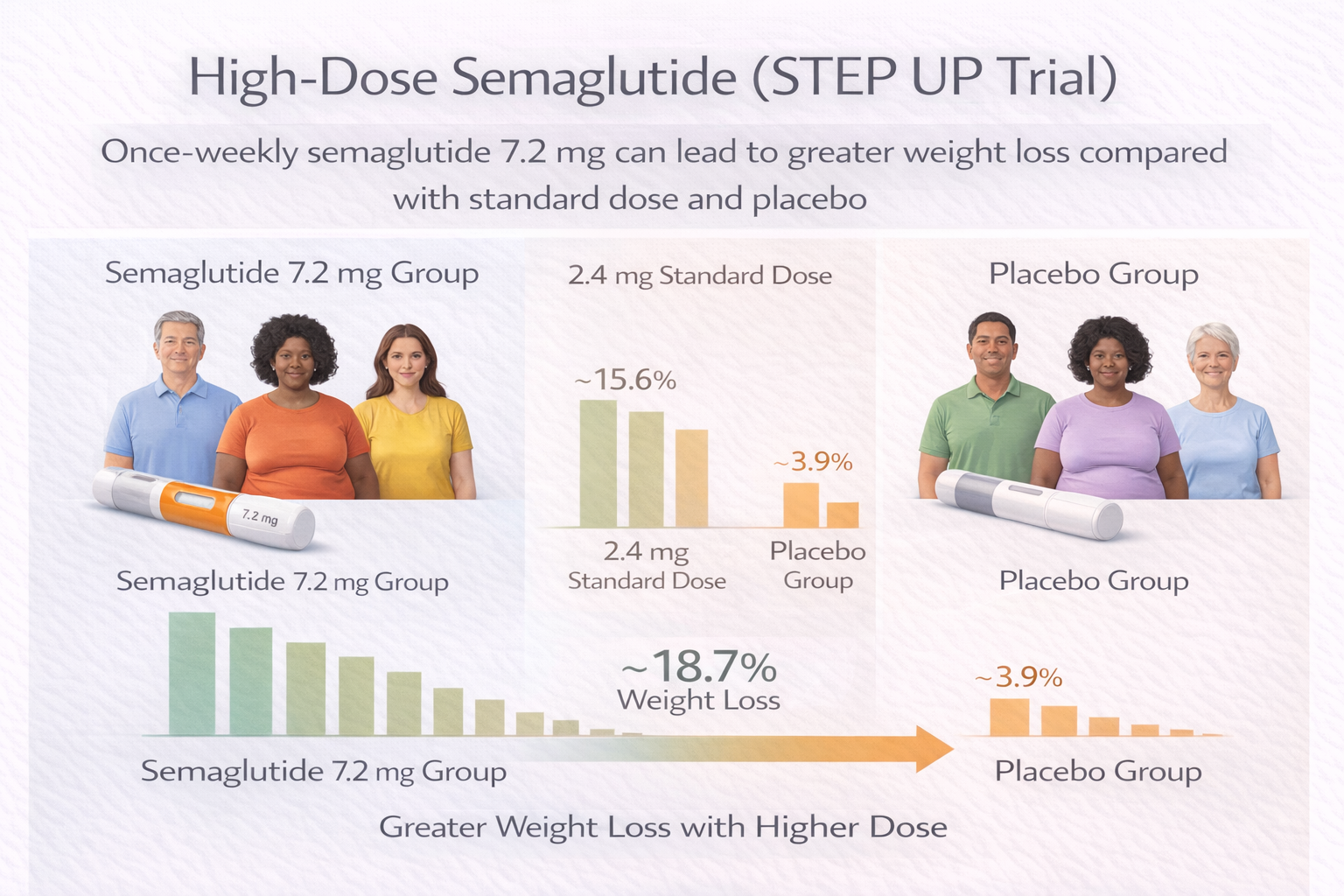
Higher Dose Semaglutide
The STEP UP trial evaluated a higher-dose (7.2 mg weekly injection) approach to semaglutide (the active ingredient in Wegovy) in adults with overweight or obesity, combined with lifestyle support including nutrition and physical activity counseling. Over approximately 72 weeks, participants receiving the higher-dose semaglutide achieved greater weight loss than those on standard dosing or placebo. Average weight loss approached about 19% of starting body weight, with a substantial proportion of patients reaching levels of weight reduction typically seen with more intensive interventions. Participants also experienced improvements in waist circumference and cardiometabolic risk factors such as blood pressure and blood sugar. As with other GLP-1–based therapies, the most common side effects were gastrointestinal—including nausea, vomiting, diarrhea, and constipation—generally mild to moderate and most noticeable during dose escalation. Overall, the study suggests that higher-dose semaglutide may offer an even more effective option for patients needing greater weight loss under medical supervision.
Key Takeaways
- Average weight loss approached ~19% at ~72 weeks with higher-dose (7.2 mg weekly injection) semaglutide.
- ~90% of participants lost ≥5% of body weight (vs ~30% with placebo).
- ~75% lost ≥10% (vs ~10–15% with placebo).
- ~60% lost ≥15% (vs ~5% with placebo).
- Gastrointestinal side effects were most common and typically mild to moderate, especially during dose escalation.
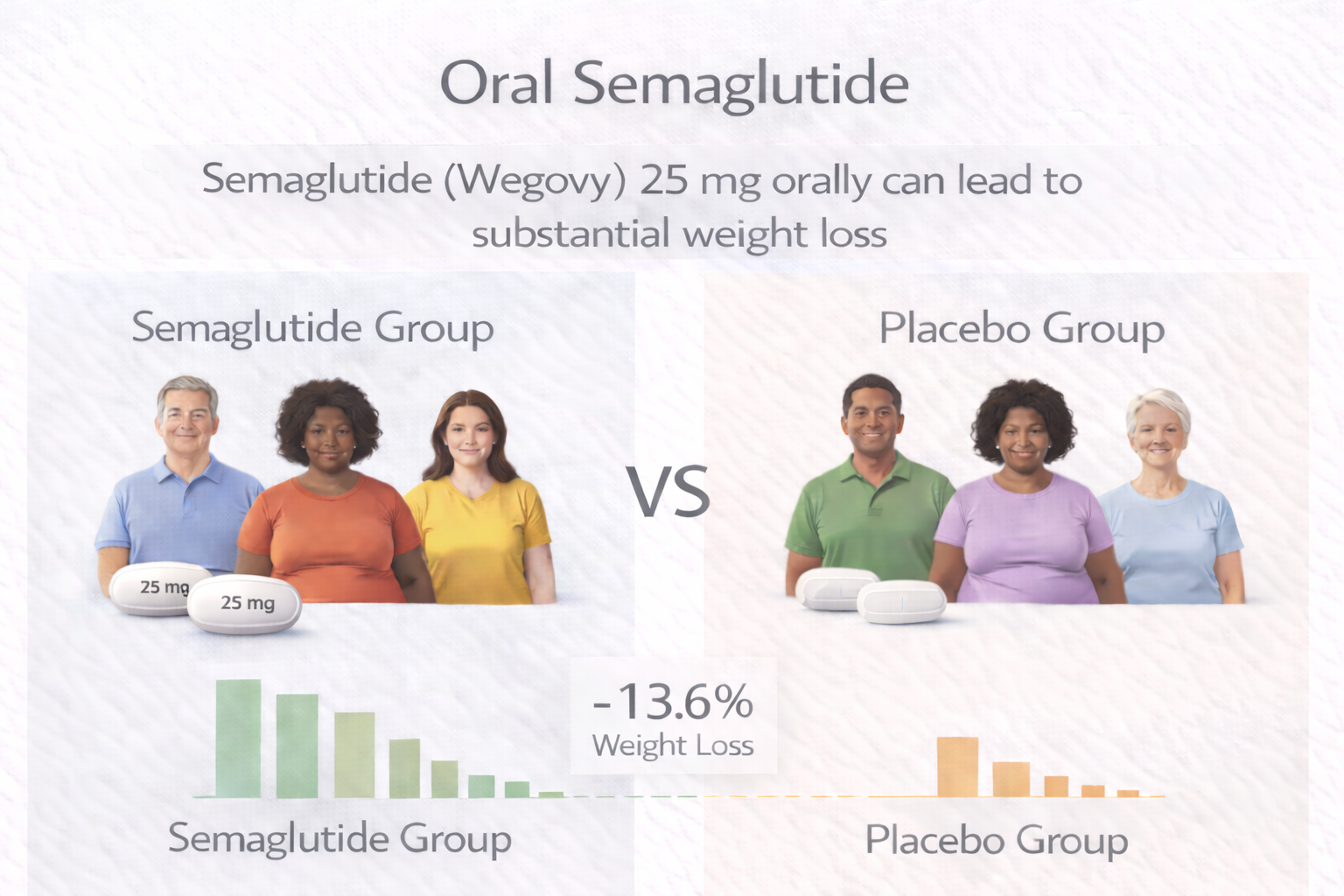
Oral Semaglutide 25 mg
The OASIS 4 trial evaluated a once-daily oral semaglutide 25 mg tablet in adults with overweight or obesity, used together with lifestyle counseling on nutrition and physical activity. Over 64 weeks, participants taking semaglutide lost significantly more weight than those taking placebo. Average weight loss was about 13–14% of starting body weight, a level associated with meaningful improvements in blood pressure, blood sugar, and other metabolic risk factors. Many participants achieved double-digit weight loss, and meaningful reductions in waist circumference were also seen, reflecting decreased abdominal fat. Improvements in cardiometabolic markers suggest potential long-term health benefits when weight loss is sustained. As with other GLP-1–based therapies, the most common side effects were gastrointestinal—such as nausea, vomiting, diarrhea, and constipation—typically mild to moderate and most noticeable during the gradual dose-escalation period. Overall, the study supports oral semaglutide 25 mg as an effective, non-injectable option for chronic weight management for patients seeking an alternative to weekly injections.
Key Takeaways
- Adults taking oral semaglutide 25 mg lost significantly more weight than those taking placebo.
- Average weight loss was ~13.6% at 64 weeks with oral semaglutide 25 mg.
- ~45% lost ≥15% (vs ~3% with placebo).
- Most common side effects were nausea, vomiting, diarrhea, and constipation, usually mild to moderate.
- Provides a non-injectable (pill) option for effective medical weight management.
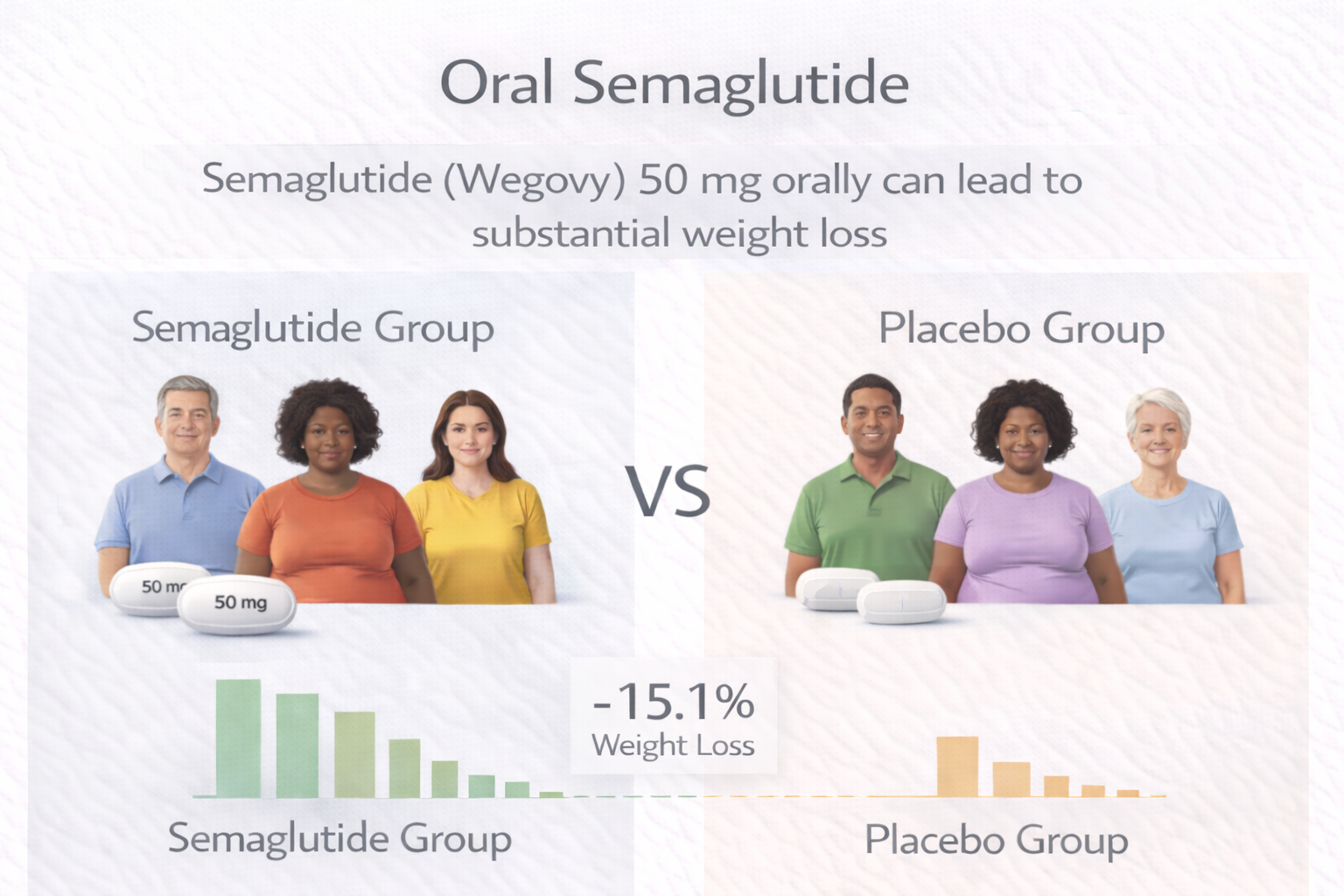
Oral Semaglutide 50 mg
The OASIS 1 trial studied an oral (pill) version of semaglutide to see how well it helps adults with overweight or obesity lose weight. In this large clinical trial, participants who took oral semaglutide 50 mg once daily, along with lifestyle support (healthy eating and physical activity), lost significantly more weight than those who took a placebo. Over about 68 weeks (a little over a year), people taking the medication experienced substantial and clinically meaningful weight loss, with many losing 15% or more of their starting body weight. Improvements were also seen in waist size and certain heart-health risk markers. The most common side effects were gastrointestinal—such as nausea, vomiting, diarrhea, or constipation—especially during dose escalation, and were generally mild to moderate and similar to what has been seen with injectable GLP-1 medications. Overall, the study showed that a once-daily pill option can produce weight loss results comparable to some injectable treatments, offering another effective choice for people seeking medical help with weight management.
Key Takeaways
- Adults taking oral semaglutide 50 mg lost significantly more weight than those taking placebo.
- Average weight loss was ~15% at 68 weeks with oral semaglutide 50 mg.
- ~54% lost ≥15% (vs ~6% with placebo).
Waist circumference and cardiometabolic risk factors improved.
Most common side effects were nausea, vomiting, diarrhea, and constipation, usually mild to moderate.
Provides a non-injectable (pill) option for effective medical weight management.
Success for the Long Haul
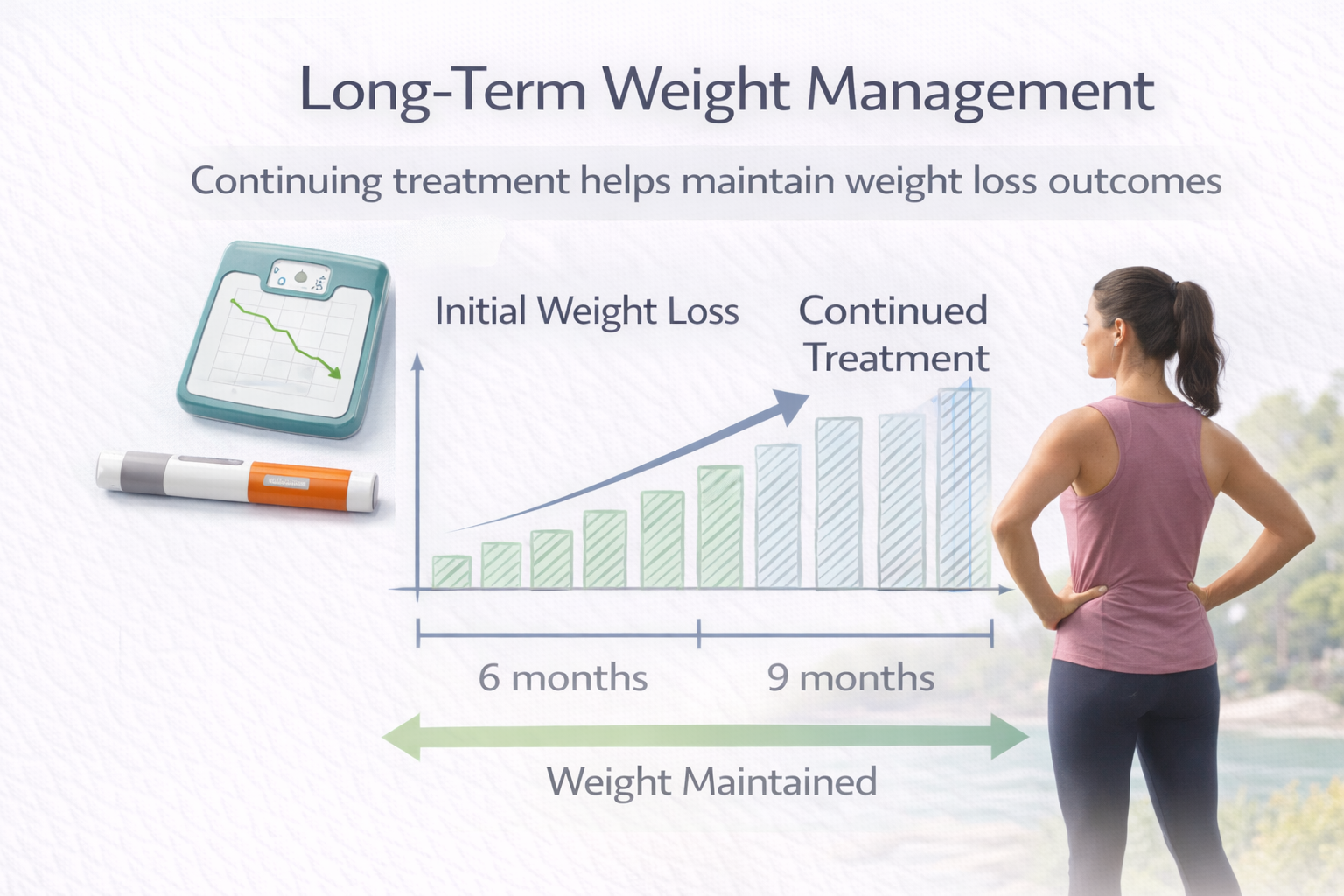
The SURMOUNT-4 trial studied what happens when people with obesity or overweight continue tirzepatide long-term vs. stop it after initial success. Everyone first received tirzepatide for a “lead-in” period and achieved significant weight loss. Then, participants were split into two groups: one kept taking tirzepatide, and the other switched to placebo (stopped the medication). The results showed that people who continued tirzepatide kept losing additional weight or maintained their progress, while those who stopped regained a meaningful amount of weight over time. Overall, the study supports what many patients experience in real life: obesity is a chronic condition, and ongoing treatment (along with nutrition, activity, sleep, and behavior strategies) can help people maintain results more reliably. Click title to learn more.
Key Takeaways
Tirzepatide helped people lose a large amount of weight during the first phase of treatment.
Continuing treatment helped maintain (and even improve) weight loss over time.
Stopping the medication led to significant weight regain for many participants.
This suggests weight loss medications may work best as long-term tools, similar to treating high blood pressure or diabetes.
Healthy habits still matter—but biology plays a major role, and treatment can help “quiet” hunger signals and cravings.
Comprehensive Therapy
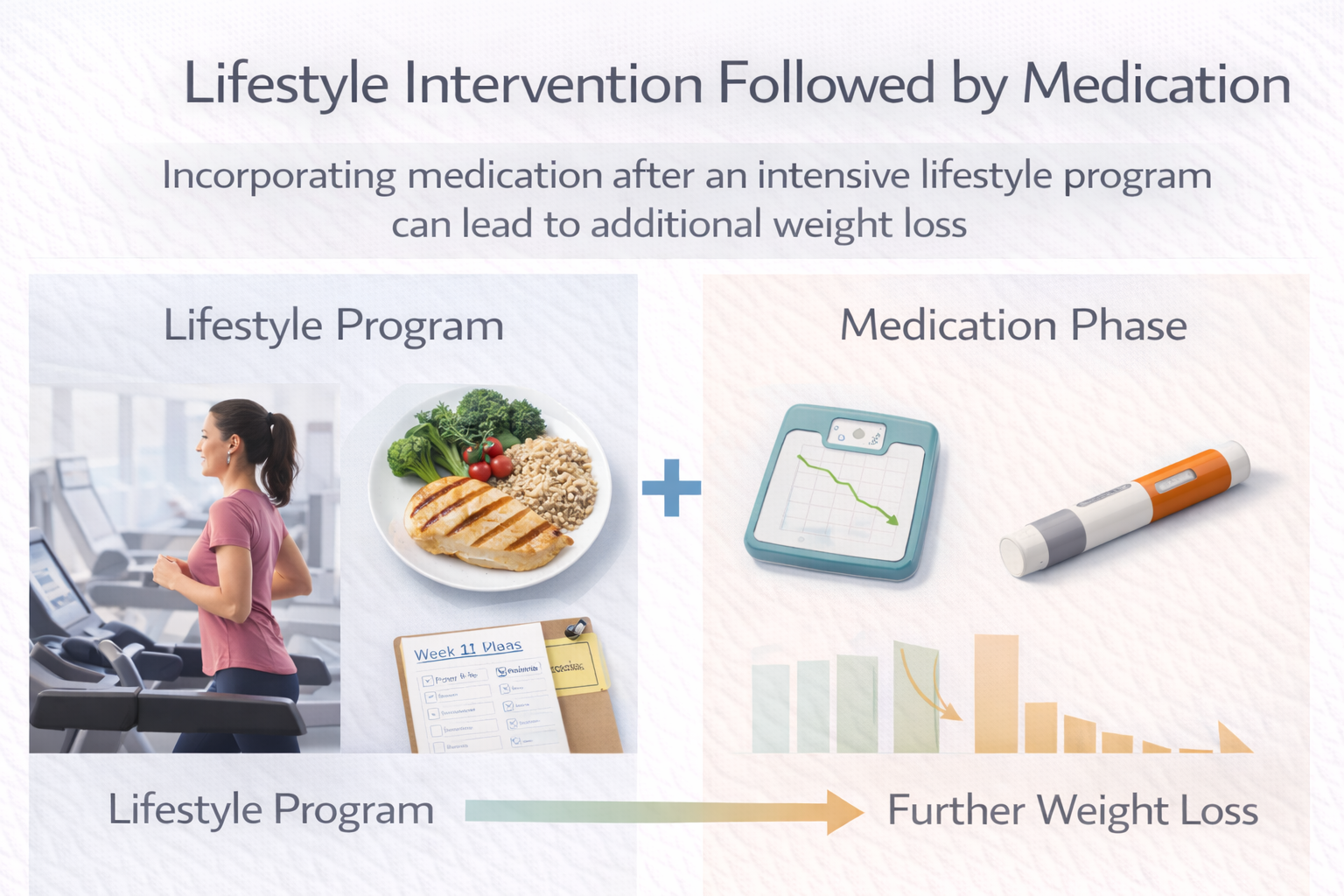
The SURMOUNT-3 trial looked at whether tirzepatide (Zepbound/Mounjaro) could help people lose even more weight after they already got a strong start with lifestyle changes. In the study, adults with obesity (or overweight with weight-related health conditions, but without diabetes) first completed a 12-week intensive lifestyle program that included a reduced-calorie diet, increased physical activity, and frequent coaching. Only people who successfully lost at least 5% of their body weight during this lifestyle “jump start” phase continued into the next step. Then they were randomly assigned to receive tirzepatide or placebo for 72 more weeks. The results showed that people taking tirzepatide lost substantially more weight on top of their lifestyle progress—leading to an average total weight loss of about 26.6% from the very start of the study, which is a level of weight reduction that can meaningfully improve health and quality of life. Click title to learn more.
Key Takeaways
People started with 12 weeks of lifestyle changes (nutrition, exercise, coaching) and had to lose ≥5% to move forward.
- After that, tirzepatide helped patients lose significantly more weight compared with placebo.
- Across the full study (lifestyle + medication), the average total weight loss was ~26.6% from the beginning of the trial.
- This shows that lifestyle changes are a powerful foundation, and medication can act like an “extra lever” for additional results when your body is fighting to regain.
- The program was designed for real-life success: habits + support + biology-based treatment working together.
Cardiovascular Health
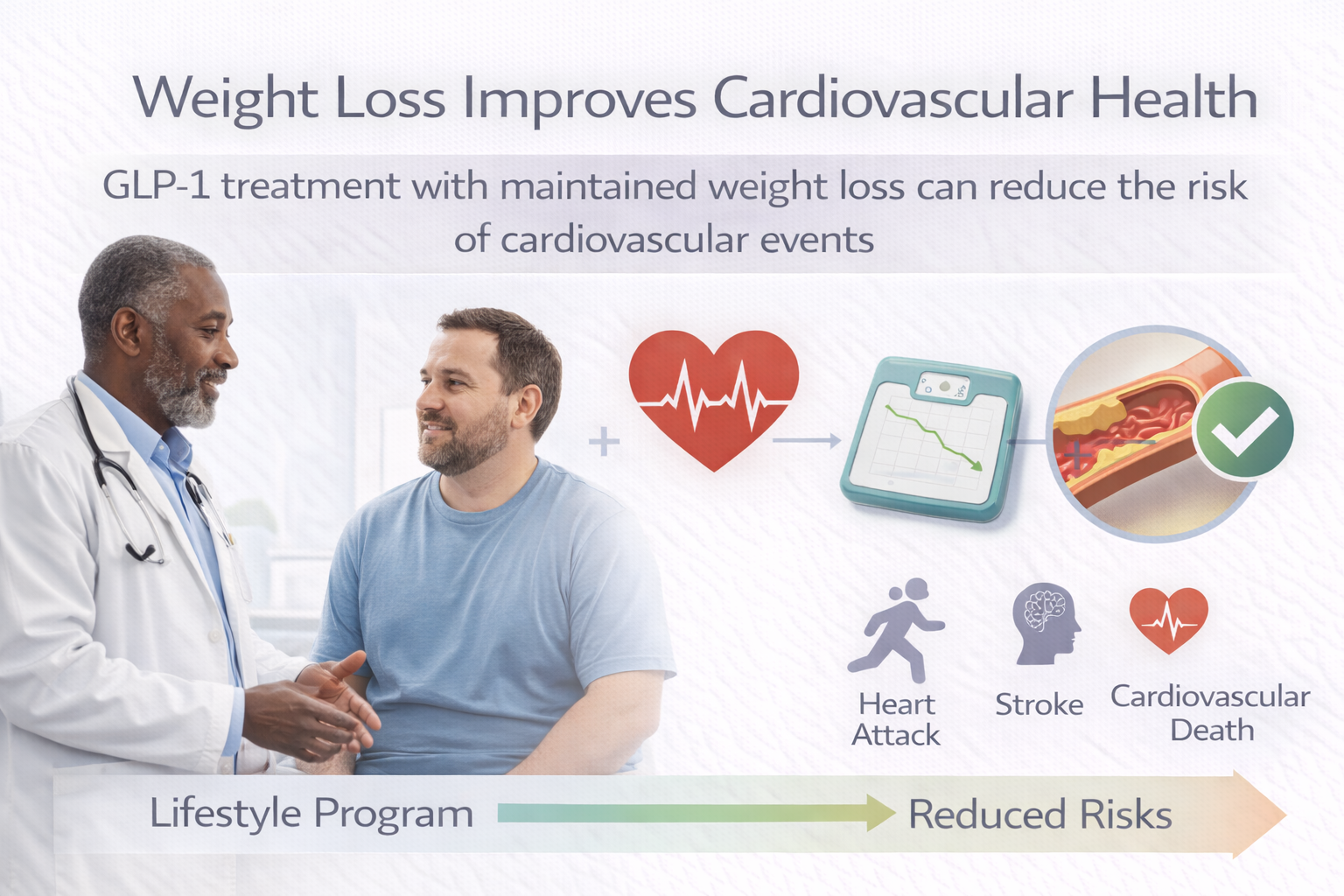
The SELECT Trial studied whether semaglutide 2.4 mg once weekly (Wegovy) could do more than help with weight loss—specifically, whether it could lower the risk of heart attack, stroke, or cardiovascular death in people with overweight or obesity who already had heart disease, but did not have diabetes. In this large international study (over 17,000 adults), people taking semaglutide had a 20% lower risk of major cardiovascular events compared to placebo, over about 3+ years of follow-up. In other words, SELECT showed that treating obesity with semaglutide isn’t just about the number on the scale—it can also mean real protection for the heart, especially for people at higher risk. Click title to learn more.
Key Takeaways
Semaglutide (Wegovy) reduced the risk of heart attack, stroke, or cardiovascular death by ~20%.
The study included people with BMI ≥27 and existing cardiovascular disease, but no diabetes.
Participants were followed for about 39.8 months on average (just over 3 years).
- People also lost weight (around ~9–10% on average), but the big headline is heart-risk reduction.
- SELECT helped prove obesity treatment can be part of serious cardiovascular prevention, not just cosmetic weight loss.
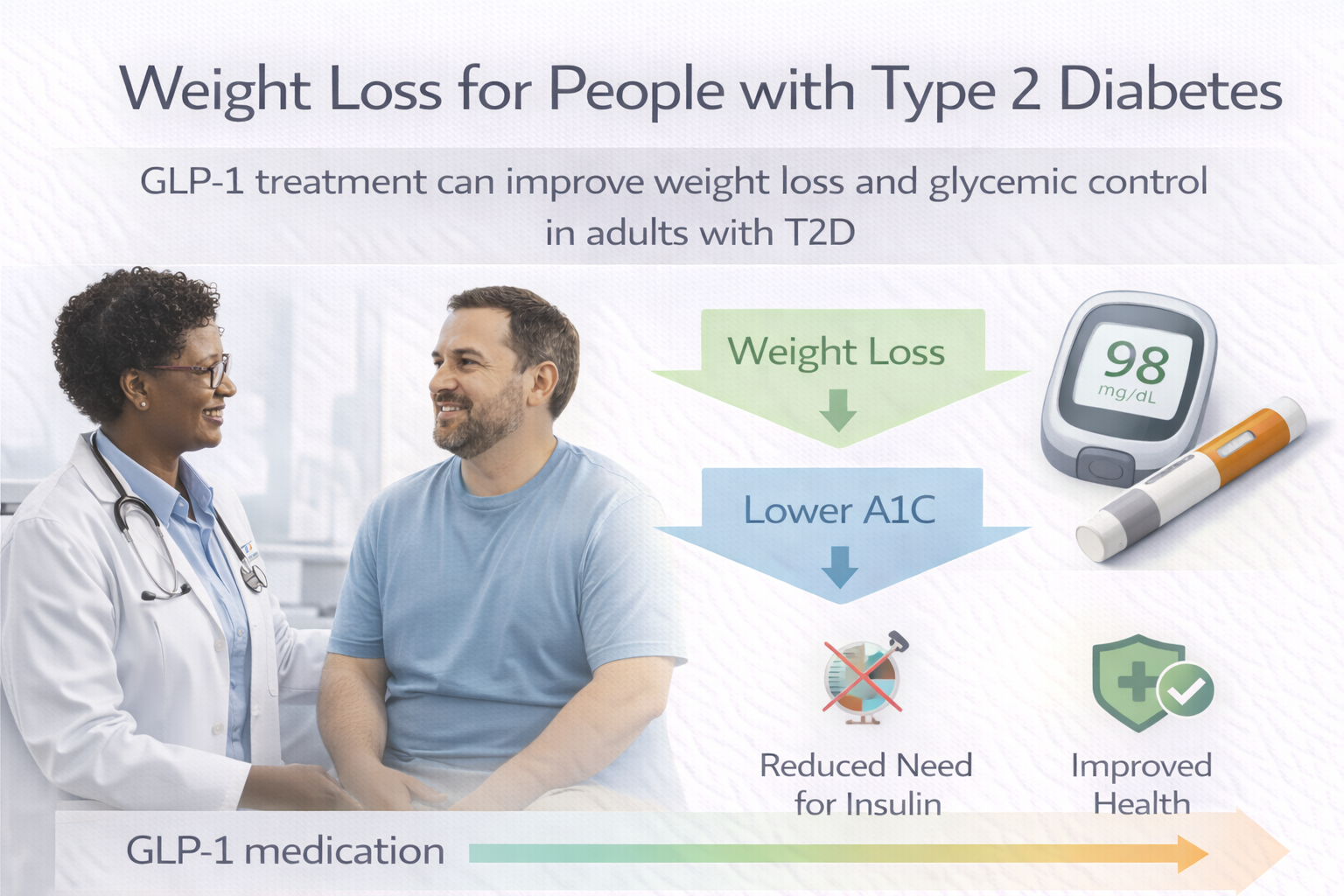
Tirzepatide and Weight Loss in Diabetes
The SURMOUNT-2 trial studied tirzepatide in adults who had type 2 diabetes and overweight or obesity, to see how much weight they could lose while also improving their health. Over 72 weeks, participants took once-weekly tirzepatide (10 mg or 15 mg) or a placebo, along with lifestyle guidance (healthy eating and physical activity). The study found that people taking tirzepatide lost substantially more weight than those on placebo—on average, around 13–16% of their body weight, which can be a meaningful change for energy, mobility, and health risks. The trial supported that weight loss medications can still be very effective even when someone has diabetes, a situation where weight loss is often harder due to biology and insulin resistance. Click title to learn more.
Key Takeaways
SURMOUNT-2 included adults with type 2 diabetes + BMI ≥27 (overweight/obesity).
- After 72 weeks, tirzepatide helped people lose about 13–16% of body weight, far more than placebo.
- Many participants achieved clinically meaningful weight loss (like losing 5%+ of starting weight).
- The medication also supported better overall metabolic health—important because diabetes and weight are closely linked.
- The most common side effects were digestive (like nausea, diarrhea, constipation), especially during dose increases—often improving over time.
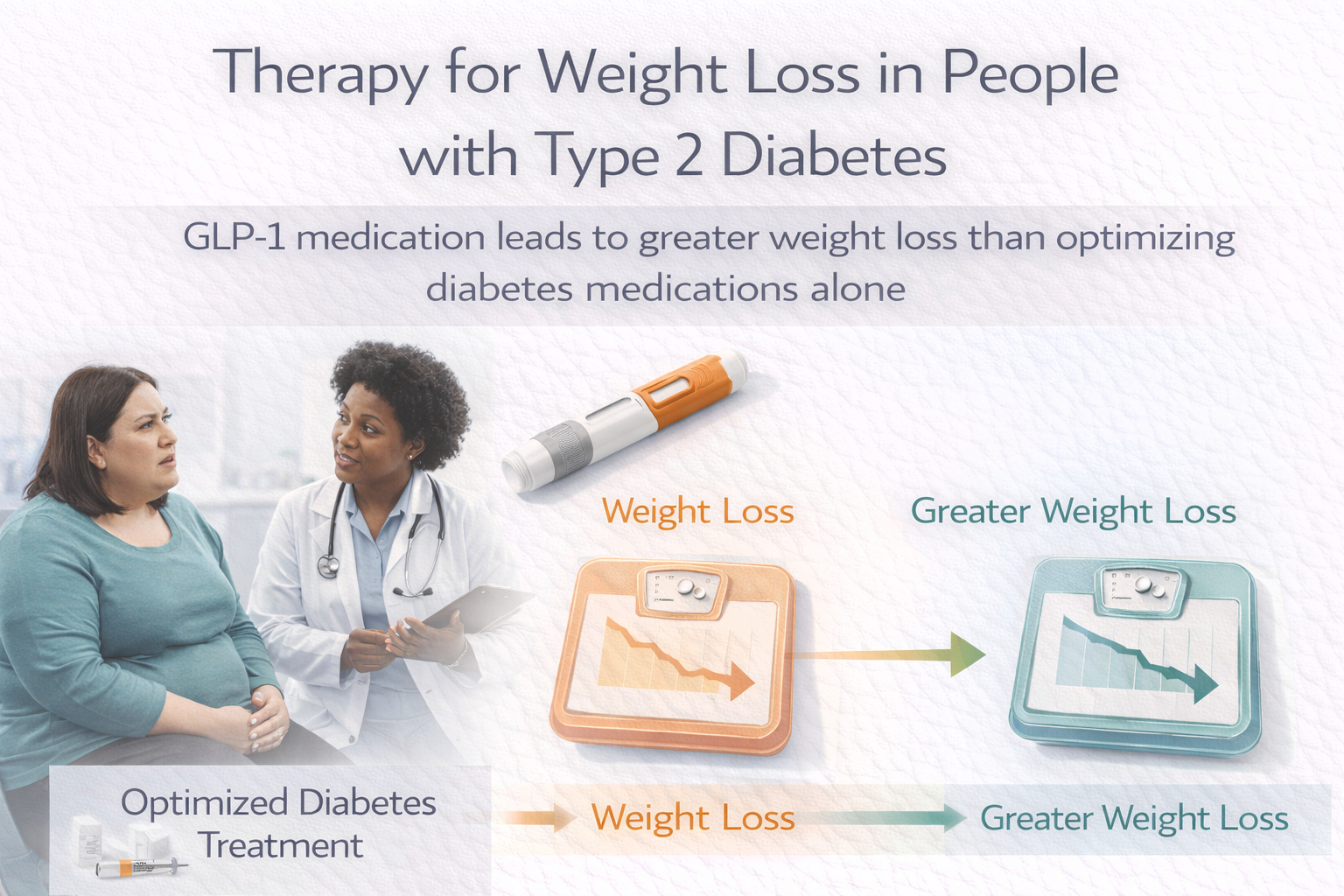
Semaglutide and Weight Loss in Diebetes
The STEP 2 trial studied semaglutide 2.4 mg once weekly (Wegovy) in adults with type 2 diabetes who also had overweight or obesity, to see how well it could support meaningful weight loss (and improve diabetes-related health). Over 68 weeks, people were assigned to semaglutide 2.4 mg, semaglutide 1.0 mg, or placebo, alongside lifestyle counseling. The study showed that the 2.4 mg dose led to significantly greater weight loss than placebo, with an average weight reduction of about 9.6%, which can translate into real improvements in energy, mobility, and cardiometabolic health. Because weight loss can be harder with diabetes due to biology and insulin resistance, STEP 2 helped confirm that semaglutide can still be a powerful tool for long-term progress. Click title to learn more.
Key Takeaways
STEP 2 included adults with type 2 diabetes and BMI ≥27 (overweight/obesity).
- At 68 weeks, semaglutide 2.4 mg led to about 9.6% average weight loss, compared with ~3.4% with placebo.
- Semaglutide 2.4 mg produced more weight loss than the 1.0 mg dose, showing that the obesity-treatment dose can make a bigger difference.
- Many patients achieved clinically meaningful milestones like 5%+ body weight loss, which is often enough to improve health markers.
- The most common side effects were digestive (like nausea, diarrhea, constipation), especially during dose increases, and were usually manageable.
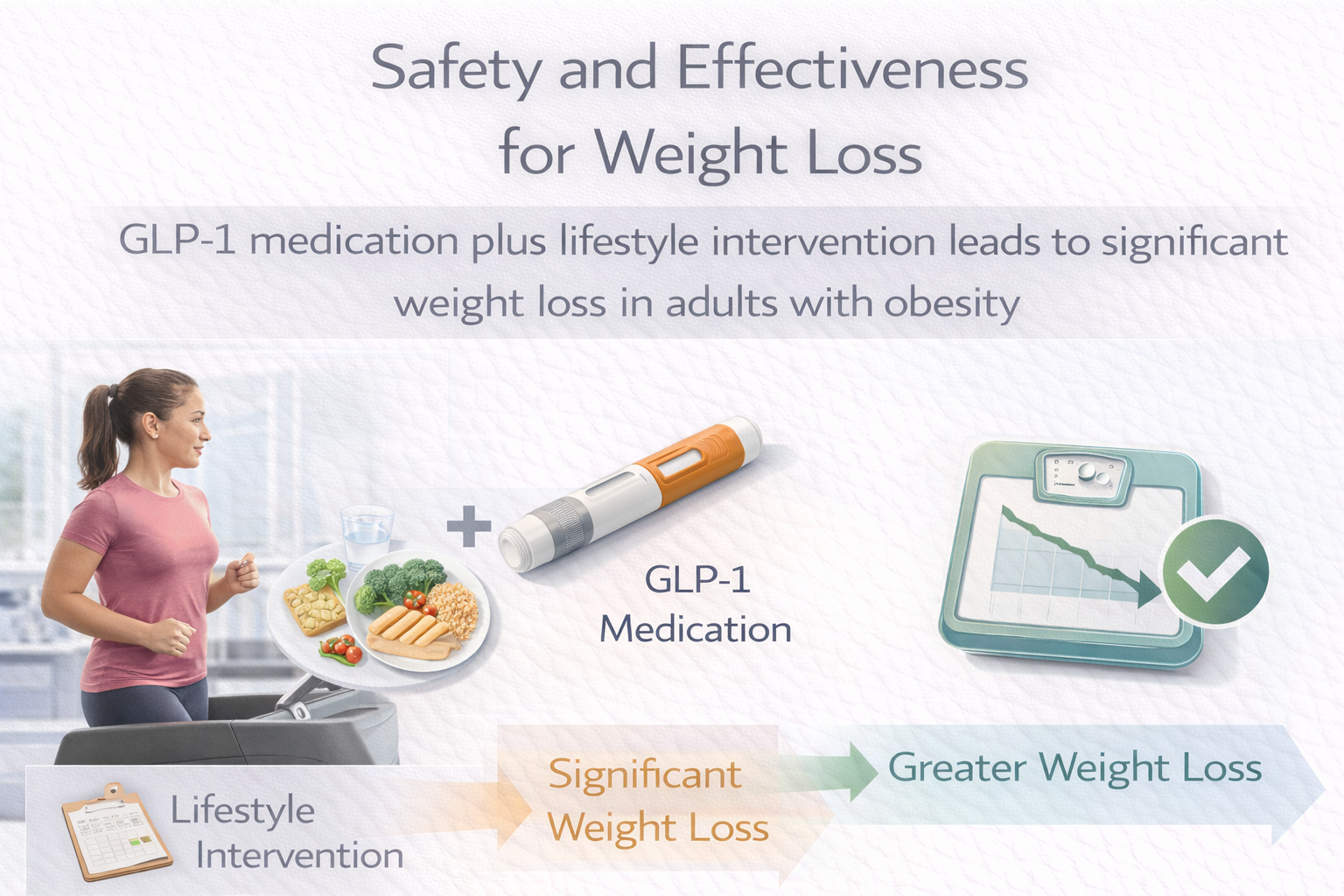
Semaglutide and Weight Loss
The STEP 1 trial studied semaglutide 2.4 mg once weekly (Wegovy) in adults with obesity or overweight (with at least one weight-related health condition) who did not have diabetes, to see how much weight they could lose when medication was combined with healthy lifestyle changes. Over 68 weeks, participants taking semaglutide lost an average of about 15% of their starting body weight, compared with about 2–3% in the placebo group—showing a major difference that can meaningfully improve health, mobility, and quality of life. Many people also reached larger milestones (like 10%, 15%, or even 20%+ weight loss), which helped establish semaglutide as one of the most effective, evidence-based medical options for long-term weight management. Click title to learn more.
Key Takeaways
STEP 1 included adults with BMI ≥30, or BMI ≥27 with a weight-related condition, and no diabetes.
At 68 weeks, semaglutide 2.4 mg led to about ~15% average weight loss, far more than placebo (~2–3%).
Many participants achieved major milestone weight loss, including 10%+, 15%+, and 20%+.
People saw improvements in several health markers (like waist size and some cardiovascular risk factors) along with the weight loss.
The most common side effects were digestive (nausea, diarrhea, constipation), often during dose increases, and many improved over time.
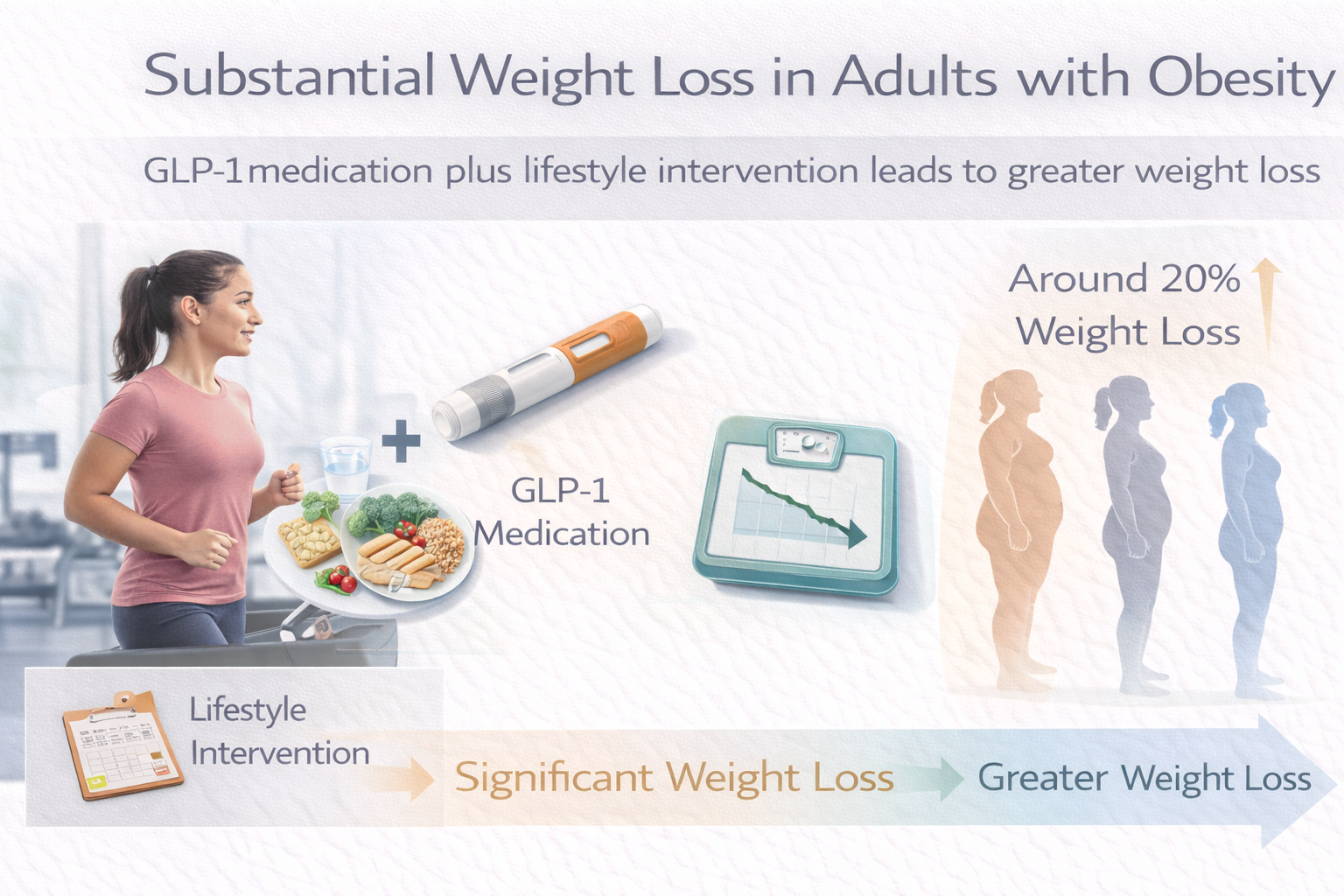
Tirzepatide and Weight Loss
The SURMOUNT-1 trial studied tirzepatide (a once-weekly injectable medication) in adults with obesity or overweight (with weight-related health conditions) who did not have diabetes, to see how much weight people could lose when medication was combined with lifestyle support. Over 72 weeks, participants taking tirzepatide achieved very large, clinically meaningful weight loss—on average about 15% to 21% of starting body weight depending on the dose—compared with only about 3% in the placebo group. Many people reached milestones like 20% or more weight loss, which is a level that can significantly improve energy, mobility, blood pressure, and overall health. SURMOUNT-1 helped show that treating obesity with modern medications can produce results that were previously very difficult to achieve without surgery. Click title to learn more.
Key Takeaways
SURMOUNT-1 included adults with BMI ≥30, or BMI ≥27 with a weight-related condition, and no diabetes.
After 72 weeks, people lost about 15–21% of body weight on average, depending on dose—much more than placebo (~3%).
A large number of participants achieved 20%+ weight loss, which is a major health milestone.
People also improved important health markers like waist size, blood pressure, and cholesterol-related measures.
The most common side effects were digestive (nausea, diarrhea, constipation), especially during dose increases, and often improved over time.
Phentermine/Topiramate, Weight Loss, and Health
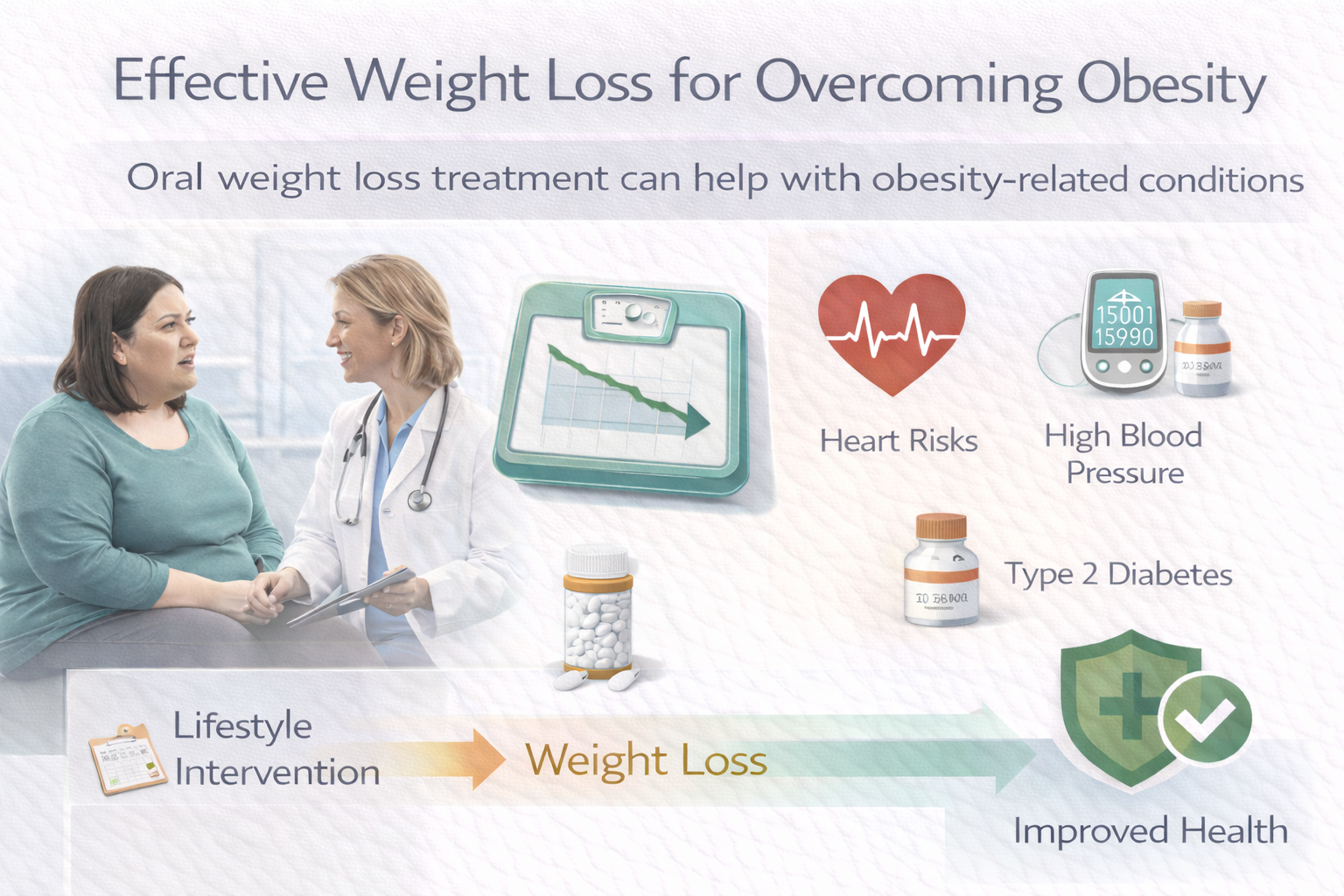
The CONQUER trial studied a prescription weight-loss medication called phentermine/topiramate extended-release (brand name Qsymia) in adults with overweight or obesity who also had weight-related health conditions (like high blood pressure, high cholesterol, or prediabetes/type 2 diabetes risk). Over 56 weeks, people taking phentermine/topiramate plus lifestyle changes (healthy eating and activity) lost significantly more weight than those taking placebo. Depending on the dose, average weight loss was about 8–10% of starting body weight, which is often enough to improve important health risks like blood pressure, blood sugar, and triglycerides. CONQUER helped show that older-generation weight-loss medications can still provide meaningful results—especially for patients who want an oral option—when used safely with medical guidance. Click title to learn more.
Key Takeaways
CONQUER studied adults with overweight/obesity + at least 2 weight-related conditions.
Over 56 weeks, phentermine/topiramate ER led to about ~8–10% average weight loss, more than placebo.
Many participants reached 5% and 10% weight-loss milestones, which are strongly linked to better health outcomes.
Improvements were seen in several cardiometabolic risk factors, like blood pressure and cholesterol/triglycerides.
Common side effects can include dry mouth, constipation, tingling sensations, insomnia, or mood changes, so it’s important to use this medication under close medical supervision.
Long-Term Phentermine/Topiramate, Weight Loss, and Health
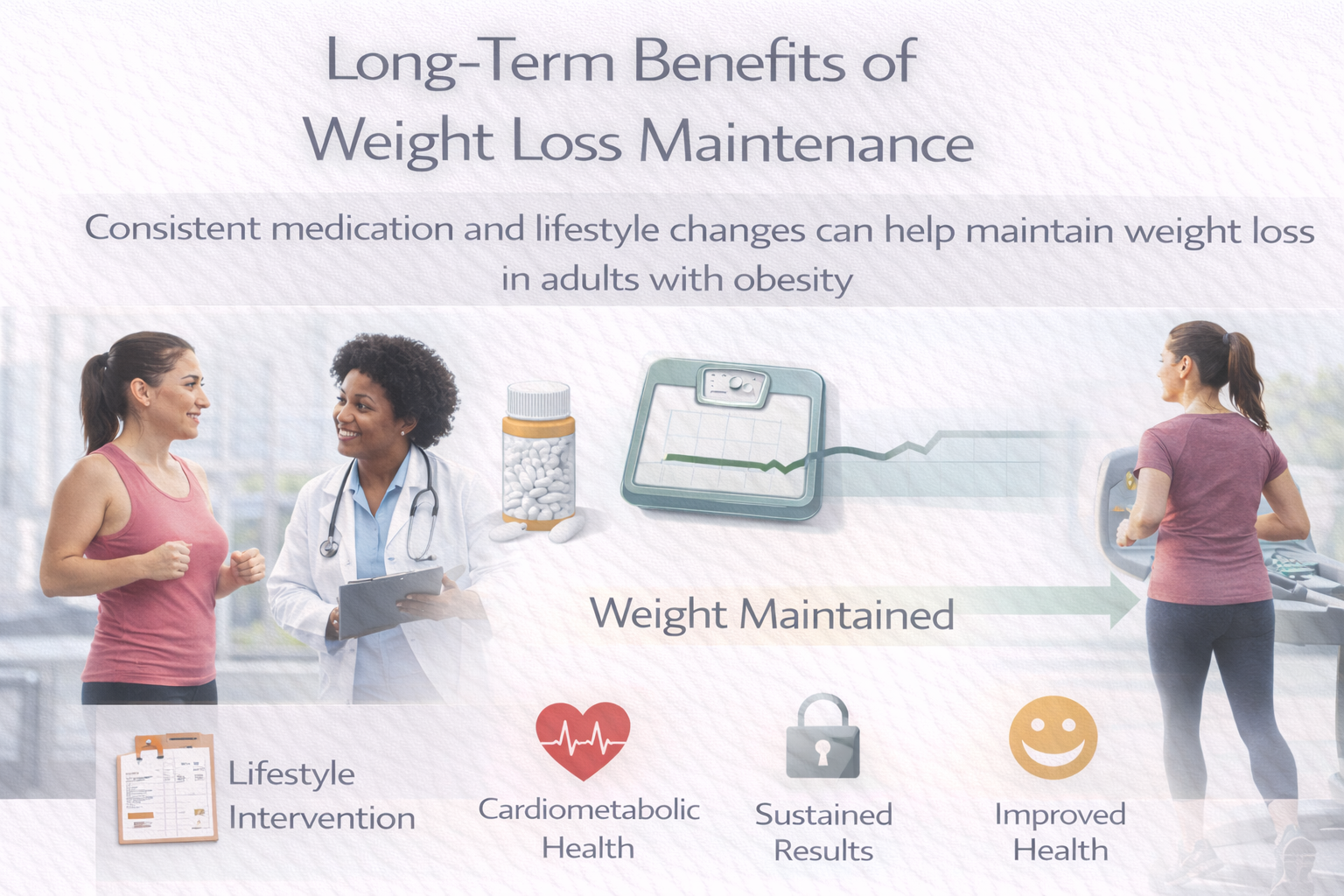
The SEQUEL trial was the 2-year extension of the CONQUER study, designed to see whether phentermine/topiramate extended-release (Qsymia) could help people keep weight off long-term. Adults with overweight or obesity (many with conditions like high blood pressure, abnormal cholesterol, or prediabetes/metabolic syndrome) continued their original treatment for a total of 108 weeks, along with lifestyle counseling. The study found that people who stayed on phentermine/topiramate maintained significant, sustained weight loss over two years—about ~9% with the mid-dose and ~10% with the top dose, compared with ~2% with placebo—and many also saw improvements in key health markers linked to heart and metabolic risk. Overall, SEQUEL reinforced that long-term medication support can help maintain weight loss, not just start it. Click title to learn more.
Key Takeaways
SEQUEL followed participants for 108 weeks total (about 2 years) to evaluate long-term weight maintenance.
People taking phentermine/topiramate kept off about ~9–10% of their starting weight, compared with ~2% on placebo.
Many patients maintained clinically meaningful weight loss milestones (like 5%+ and 10%+), which are linked to better health outcomes.
- Participants also showed improvements in metabolic and heart-related risk markers, supporting benefits beyond the scale.
- Like many weight-loss medications, side effects were most often tolerability-related, so ongoing medical follow-up is important for safety and success.
Naltrexone/Bupropion, Weight Loss, and Health
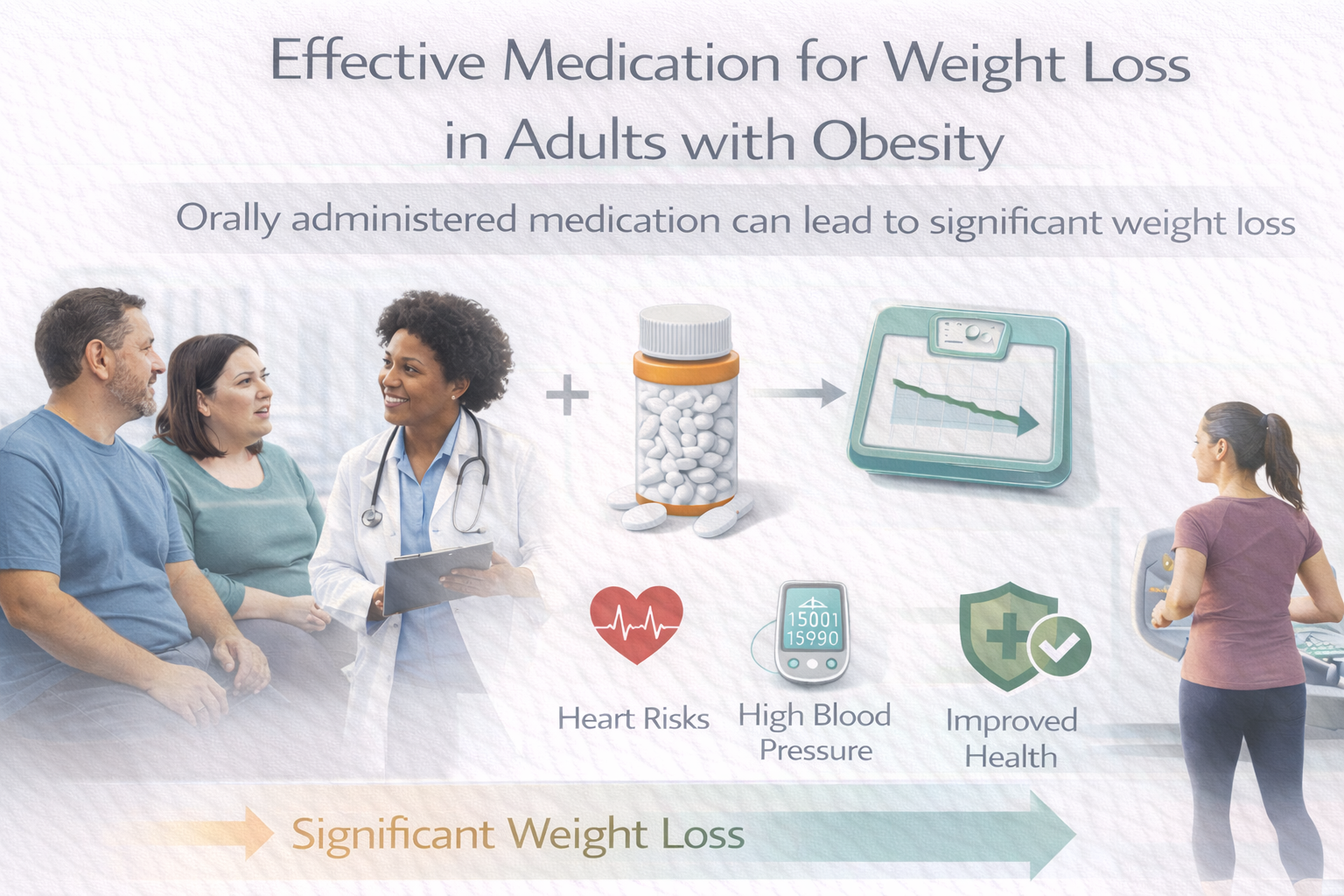
The COR-I trial studied an oral weight-loss medication called naltrexone/bupropion ER (known as Contrave) in adults with overweight or obesity, alongside lifestyle changes like healthier eating and increased activity. Over 56 weeks, people taking Contrave lost more weight on average than those taking a placebo, and more participants reached meaningful milestones like losing at least 5% of their starting weight. The trial also suggested benefits beyond the scale, including improvements in some heart and metabolic risk factors and better control of eating behaviors—helping support patients who struggle with cravings and “reward-driven” eating. Click title to learn more.
Key Takeaways
Study length: 56 weeks (about 1 year), with lifestyle guidance included.
- Average weight loss: about 6.4% with Contrave vs 1.2% with placebo.
- Milestone success: about 50.5% of patients on Contrave achieved ≥5% weight loss vs 17.1% on placebo.
- More people on Contrave also reached ≥10% weight loss compared with placebo.
- Participants saw improvements in several cardiometabolic markers, plus better control of eating and weight-related quality of life.

Our commitment
Personalized Weight Loss Tools Empowering Your Health Goals
With expert, comprehensive weight loss care and years of experience, we partner with you to create a plan that fits your life—not just your scale. Through a truly patient-centered approach, we’ll help you build confidence, consistency, and momentum so you can reach your goals and protect your health for the long run.
- Patient-Centered Care
- Expertise in Obesity Management
- Convenient Healthcare Access
- Affordable Healthcare
Ready to Start Your Weight Loss Journey?
Complete the Contact Form below or call us today to schedule a consultation.